

By the Sevaro Health Editorial Team

Neurology programs across the United States face a crisis: patient demand is rising, subspecialists are scarce, and existing providers are burning out under unsustainable workloads. The result? Extended wait times, delayed diagnoses, unnecessary transfers, and fragmented care that puts patients at risk. This underscores the urgent need for neurology workforce burnout solutions that protect both the patients and the providers from the risks of a strained system.
At the 2026 International Stroke Conference (ISC), Sevaro Health explored the most pressing question facing modern health systems: How can neurological care scale to meet growing demand without sacrificing quality, continuity, or clinician well‑being?
In a joint presentation, Dr. Raj Narula, Founder and CEO at Sevaro Health and Dr. Melanie Winningham, Vice President of Clinical Strategy & Partnerships at Sevaro Health, outlined why the hybrid model is rapidly becoming the foundation of modern neurological care.
Dr. Narula opened the presentation by framing the scope of the crisis facing neurology programs nationwide. The specialty faces a perfect storm:
Dr. Winningham emphasized these statistics represent a human impact both for patients experiencing delays in care and for providers struggling under unsustainable workloads. Hybrid care models, Drs. Narula and Winningham argued, offer a practical, scalable solution to these pressures.
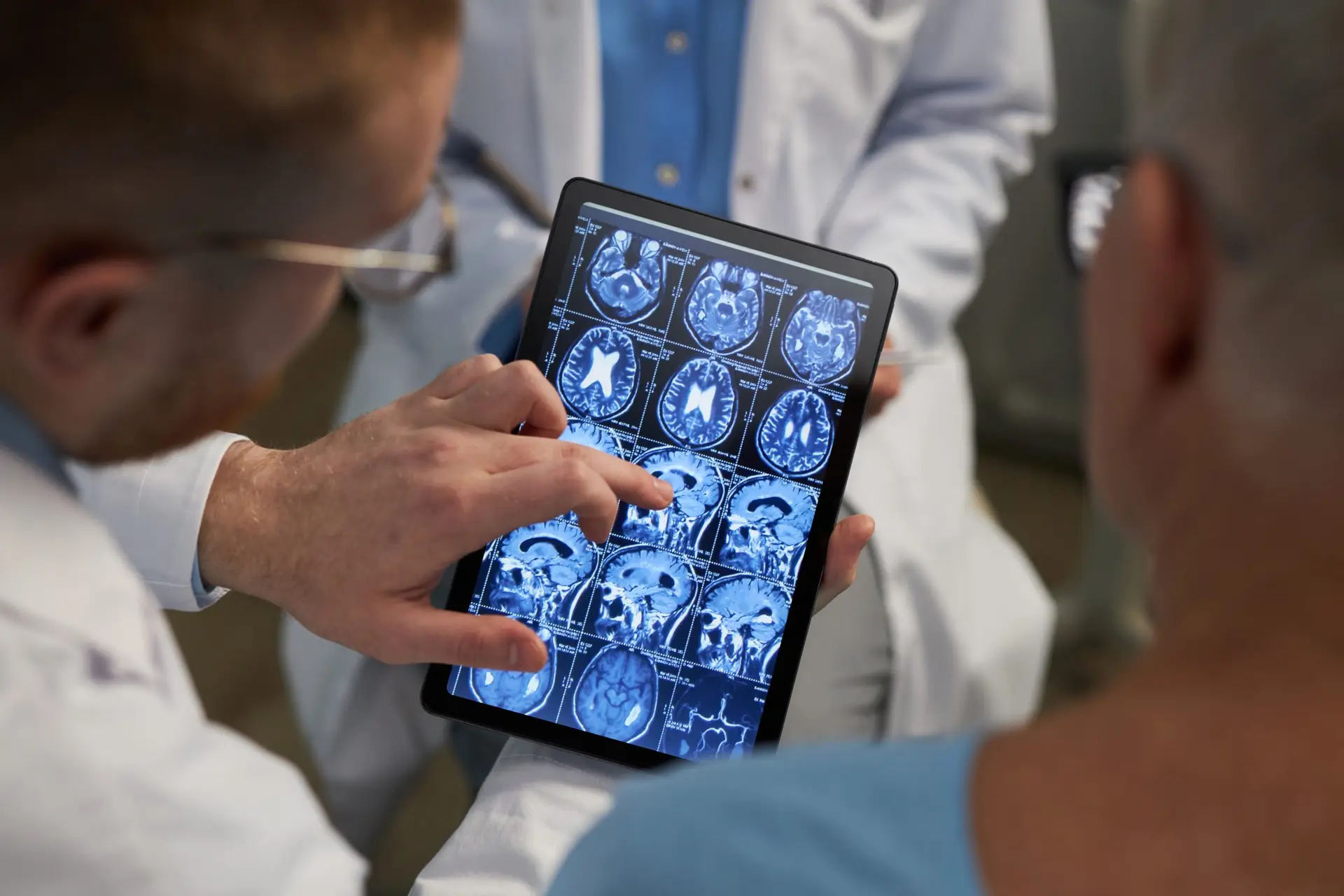
The central thesis of the presentation was hybrid care models. Dr. Winningham emphasized that rather than viewing virtual neurology as a replacement for in‑person care, hybrid care models should be considered a force multiplier. This approach allows hospitals to extend the reach of their existing neurologists while ensuring patients receive timely, high‑quality care across the full neurological journey, from acute presentation through inpatient care, discharge, and outpatient follow-up. By removing the friction between on-site and virtual teams, hospitals can implement quality neurology workforce burnout solutions that reduce the load on local providers rather than adding to it.
Neurological emergencies don’t follow a 9-to5-schedule. A hybrid neurology care model represents a paradigm shift in how health systems structure coverage, moving from a model that relies on in-person physicians absorbing all coverage needs, to one that distributes the workload sustainable across integrated teams of on-site and virtual specialists. Virtual neurologists can provide backup coverage, support week‑on/week‑off hospitalist models and help bridge any gaps while programs recruit permanent staff. This layered approach improves retention by reducing cognitive overload and allowing clinicians to practice at the top of their license.
The impact of hybrid models extends across the entire neurological care continuum, from acute stroke response through inpatient care, discharge planning, and outpatient care.
The ISC learning session highlighted how hybrid models target each major burnout driver:
Data and technology play a critical role in making hybrid care sustainable. In fragmented systems, neurologists spend 40% of their time on documentation, navigating fragmented EHRs, and non-clinical tasks4. Hybrid platforms, when designed by clinicians, enhance care delivery rather than complicate it.
Key capabilities include:
Hybrid care tools allow neurologists to focus on clinical reasoning and patient interaction rather than system navigation and administrative tasks.
Health systems leveraging virtual neurologists alongside in‑house teams have reduced unnecessary transfers, shortened response times for stroke consults, and kept patients in their local communities whenever safe and appropriate. Beyond financial savings, these outcomes carry meaningful human benefits: fewer families traveling long distances, more continuity of care, and stronger trust between patients and their local hospitals.
By sharing coverage and reducing unnecessary interruptions, hybrid care helps prevent neurologists from burning out. Clinicians gain flexibility and support which allows them to focus on patient care while maintaining sustainable workloads.
Importantly, hybrid models are not one‑size‑fits‑all. Successful programs tailor their approach based on available resources, patient volumes, and strategic goals.
What matters most is flexibility. Flexibility to adapt as programs grow, staffing changes, or patient needs evolve. This builds a foundation that allows for the highest quality care while avoiding neurologist burn-out.
As the presentation concluded, a forward-thinking perspective on the evolution of neurology practice was shared by Dr. Narula stressed, “the future of neurology will be defined by collaboration, rather than competition between virtual and in-person care. Technology alone is not the answer; neither is virtual care in isolation. Instead, the next generation of neurological care will blend people, processes, and technology into a cohesive system that prioritizes access, quality, and sustainability.”
The question is no longer whether a hybrid neurological care model works – the evidence is clear with 74% of hospitals leaders reporting that virtual and hybrid care models are now integral to their acute care delivery5. The question now is how quickly other health systems can implement them.
Sustainability in neurology isn’t just about hiring more people; it’s about changing the way the work is distributed. By embracing Neurology Workforce Burnout Solutions that leverage the best of both virtual and on-site care, health systems can finally move away from a reactive ‘crisis’ mode. The path forward is clear: integrate, innovate, and prioritize the well-being of those who provide life-saving care
Q: What is a hybrid neurology care model?
A: A hybrid neurology care model blends in‑person neurologists with virtual specialists who work as a single, integrated team. Patients and clinicians experience the same workflows and standards of care regardless of whether the neurologist is on site or remote.
Q: Does virtual neurology replace on‑site neurologists?
A: No. Hybrid care is designed to complement and support on‑site teams, not replace them. Virtual neurologists extend capacity, provide backup coverage, and help sustain programs during recruitment or growth periods.
Q: How does hybrid care improve access to neurological services?
A: Hybrid models expand coverage by making neurologists available during nights, weekends, surge events, and staffing transitions. This ensures patients receive timely consultations even when in‑house resources are limited.
Q: What types of neurological care can be supported through hybrid models?
A: Hybrid care can support the full neurological continuum, including acute stroke response, inpatient rounding, neurocritical care consultation, post‑discharge follow‑up, outpatient clinics, and ongoing care for conditions such as epilepsy, migraine, multiple sclerosis, and stroke recovery.
Q: Can hybrid models reduce hospital transfers and readmissions?
A: Yes. By providing timely access to neurologists and enabling local management when appropriate, hybrid care reduces unnecessary transfers and helps prevent avoidable readmissions—keeping patients closer to home.
Q: How do hybrid models impact clinician workload and retention?
A: By sharing coverage and reducing unnecessary interruptions, hybrid care helps prevent burnout. Clinicians gain flexibility and support, allowing them to focus on patient care while maintaining sustainable workloads.
Q: What role does technology play in hybrid neurology?
A: Technology enables seamless communication, real‑time availability, EMR integration, documentation support, and performance analytics. When designed around clinical workflows, these tools enhance efficiency without disrupting care delivery.
Q: Are hybrid models adaptable to different hospital environments?
A: Hybrid care is highly flexible and can be tailored to each health system’s needs, whether as a temporary bridge during staffing shortages or a long‑term strategy for rural, community, or multi‑facility networks.