

By Chethan Sathya, MD
Chief Physician Executive
Sevaro Health

Rural neurology access is a care gap, not a choice. Too few specialists serve rural communities, creating serious risks for time-sensitive neurological conditions.
Frequent patient transfers disrupt care. Sending patients long distances fragments treatment, separates families, and strains rural hospitals.
Telemedicine improves access—but often stops at the ER. Many models focus on acute consults without supporting long-term specialty care.
Virtual subspecialty clinics extend care locally. Ongoing virtual neurology support keeps patients in their communities and strengthens local care teams.
Integrated tele-neurology models deliver better outcomes. Combining acute care with longitudinal support reduces transfers and improves continuity.
The gap between urban and rural specialty care is no longer just a geographic hurdle; it is a clinical crisis. While 20% of Americans live in rural communities, only about 9% of physicians – and an even smaller fraction of specialists – practice there.¹ In stroke care, where “time is brain,” this shortage is particularly dangerous and traditional models of care are increasingly insufficient to meet modern needs.
Many rural hospitals lack immediate access to neurologists, stroke specialists, and subspecialties for follow-up care. Patients with conditions like Parkinson’s disease, epilepsy, migraine disorders, transient ischemic attacks (TIAs), or stroke complications often face a gauntlet of barriers including:
These gaps contribute to delayed diagnoses, increased readmissions, and higher caregiver burden. To change this, rural specialty care must move beyond episodic “one-and-done” consultations to support continuity, local care ownership, and improved outcomes that empower both patients and providers.
Barriers to accessing specialty care are not limited to geography. A survey found that nearly one-third of Americans have experienced difficulty obtaining specialty care, with securing timely appointments and long wait times cited as primary obstacles. For rural populations, these barriers interact with limited transportation, inconsistent broadband access, and local workforce shortages, compounding the challenge of achieving equitable care delivery.
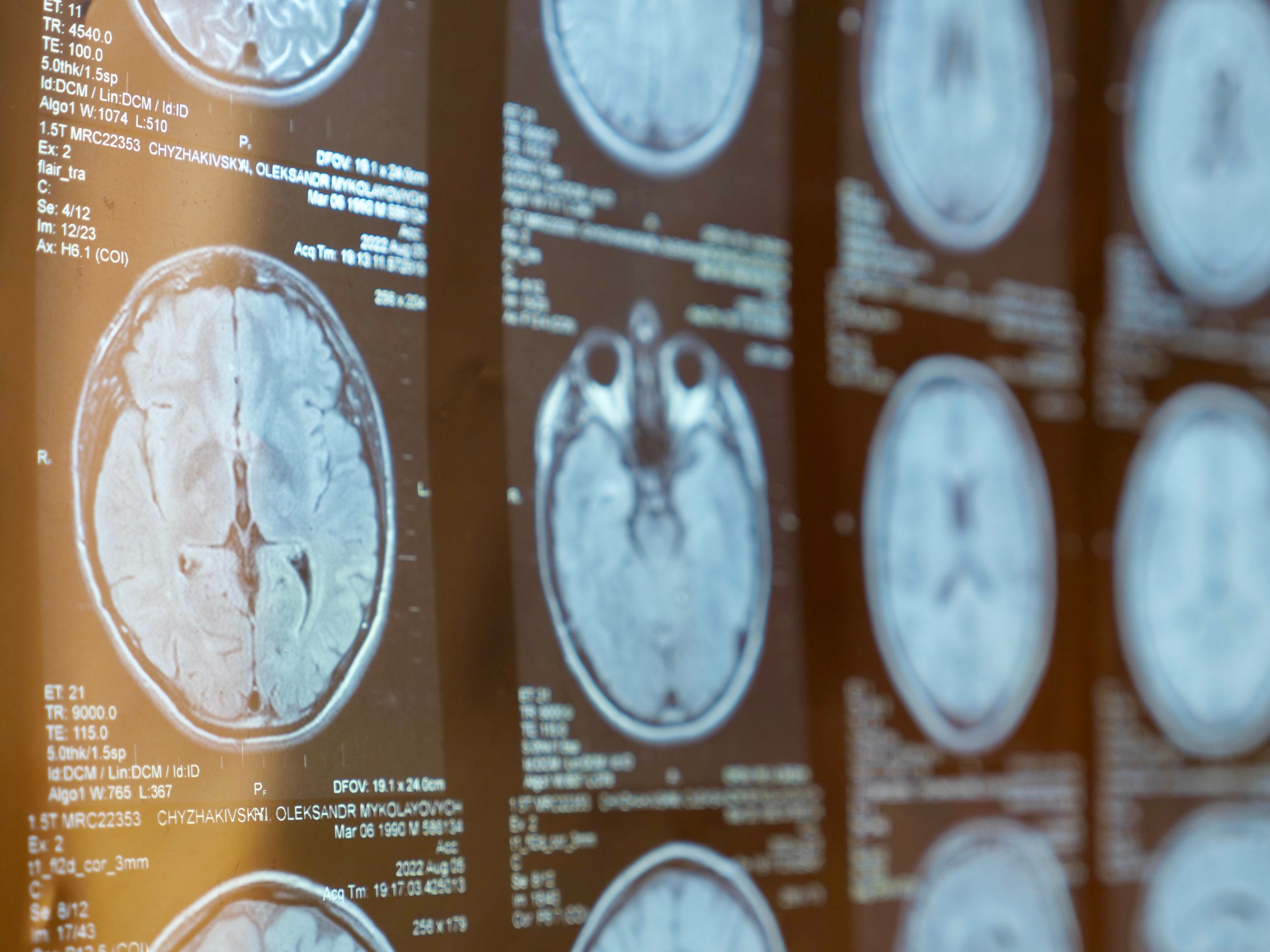
If you have ever stood bedside in a rural ED, you know the weight of the “transfer-out” decision. It is a moment defined by a lack of options, where the patient’s best chance at recovery requires a flight or lengthy ambulance ride to a specialty care facility.
This isn’t just a logistical hurdle; it is a clinical failure that fragments the patient’s experience and separates families when they are needed the most. Specialty care in rural areas should not be a luxury of geography. 3 In our field, where we count success in neurons saved per minute, we must do better than just getting a specialist on a screen for a one-time consultation. 4
Telehealth modalities have expanded rapidly since the COVID-19 pandemic and are increasingly recognized as essential tools for extending rural specialty care. Telemedicine has been shown to improve access for patients in rural settings when local specialists are unavailable, particularly for follow-ups and specialist “reach-back.”4 However, traditional telemedicine often stops at the emergency consultation, leaving patients without ongoing specialty support for continuous, high-quality care.
Solving the emergency is only part of the battle; true recovery happens in the weeks, months, and even years after a patient leaves the hospital. When we bring subspecialty expertise directly into the local context, we protect the existing patient-provider relationship. This prevents the “geographic penalty” where rural patients feel forced to travel long distances, and it keeps the care where it belongs: within the community.
To achieve this, we realized we needed more than just better software; we needed a collective shift in how we support rural medicine. This is why the National Specialty Care Access Coalition (NSCAC) was established. Convened by Sevaro, this clinician-led coalition brings together leading health systems from across the country to standardize rural specialty delivery and address the policy and reimbursement hurdles that have historically limited rural access.
Research highlights the importance of telehealth is most effective as a core component of broader rural health optimization strategies.3 Ensuring equitable access to rural neurological care means addressing both systemic and patient-level barriers. While digital innovations play a role, ongoing infrastructure and community engagement are crucial.
The narrative needs to change from viewing telemedicine as a basic tool to a model of full-scale clinical integration. The evidence shows that integrated telemedicine models-combining acute stroke intervention with longitudinal subspecialty support-can successfully close specialty care gaps in rural areas. When rural health systems have access to both immediate consultation and ongoing neurological expertise, they can manage more patients locally while maintaining quality outcomes. This approach supports the bedside team, reduces unnecessary transfers, and improves continuity of care.
Q: Why is neurological care harder to access in rural areas?
A: There are fewer specialists, longer travel distances, and infrastructure limitations that delay diagnosis and treatment.
Q: Which neurological patients are most affected?
A: Patients with stroke, Parkinson’s disease, epilepsy, migraines, TIAs, and other chronic neurological conditions.
Q: Why isn’t transferring patients to urban hospitals enough?
A: Transfers delay care, increase costs, disrupt families, and weaken local hospital capabilities.
Q: How has telemedicine helped so far?
A: It provides access to specialists when none are available locally, especially for emergency consults and follow-ups.
Q: What’s missing from traditional telemedicine?
A: Ongoing specialty involvement after the initial consultation or hospital discharge.
Q: What are virtual rural subspecialty clinics?
A: They provide continuous specialty support to patients and clinicians within local care settings using virtual models.
Q: How do integrated tele-neurology models help hospitals?
A: They allow more patients to be treated locally, reduce unnecessary transfers, and support bedside teams.
Q: What’s the key takeaway?
A: Rural neurology care improves when specialty expertise is integrated longitudinally—not delivered as a one-time event.