Lifestyle and Dietary Changes To Prevent and Recover from Strokes

Stroke prevention tips from Sevaro

Stroke is a leading cause of disability and death worldwide, but the good news is that lifestyle and dietary choices can significantly impact your risk of having a stroke, speed up recovery if a stroke occurs, and prevent future strokes. This guide explores practical changes you can make to improve your brain and vascular health before, during, and after a stroke.

Read more about how Sevaro is using technology and virtual neurology to improve stroke outcomes.

Preventing Strokes: Lifestyle and Dietary Changes

Up to 80% of strokes are preventable through lifestyle modifications and proper management of underlying conditions. Here’s what you can do to reduce your risk:

  1. Prioritize Heart-Healthy Foods

What you eat directly affects your vascular health. Opt for a diet that emphasizes whole, nutrient-dense foods:

  • Fruits and vegetables: Aim for at least five servings daily. Leafy greens, berries, and citrus fruits are rich in antioxidants that protect blood vessels.
  • Whole grains: Choose whole grains like oats, brown rice, and quinoa, which help regulate blood sugar and cholesterol levels.
  • Healthy fats: Include sources of omega-3 fatty acids, like salmon, walnuts, and flaxseeds, to reduce inflammation and improve brain health.
  • Low-fat dairy: Opt for low-fat or plant-based dairy products to maintain healthy blood pressure.
  • Legumes and nuts: These provide protein, fiber, and healthy fats without the saturated fat found in some animal products.
  1. Limit Harmful Foods

Avoid or minimize foods that can contribute to high blood pressure, high cholesterol, and other stroke risk factors:

  • Excess salt: Limit sodium to less than 2,300 mg daily (ideally 1,500 mg). Check food labels to avoid hidden sources.
  • Sugary foods and drinks: These can lead to weight gain and insulin resistance, increasing your risk of diabetes and stroke.
  • Processed meats and fried foods: These are high in saturated fats and trans fats, which can clog arteries.
  1. Maintain a Healthy Weight

Excess weight, particularly around the abdomen, increases your risk of hypertension, diabetes, and heart disease—all major stroke risk factors. Combining a balanced diet with regular physical activity can help you achieve and maintain a healthy weight.

  1. Exercise Regularly

Regular physical activity improves circulation, lowers blood pressure, and strengthens the heart. Aim for at least 150 minutes of moderate-intensity aerobic activity each week, such as brisk walking, cycling, or swimming. Add strength training exercises twice a week for additional benefits.

  1. Manage Stress

Chronic stress can elevate blood pressure and contribute to unhealthy habits like overeating or smoking. Incorporate stress-reduction techniques into your daily routine, such as:

  • Meditation or mindfulness practices.
  • Yoga or deep-breathing exercises.
  • Prioritizing sleep and maintaining a consistent sleep schedule.
  1. Avoid Smoking and Limit Alcohol Consumption

  • Smoking damages blood vessels and significantly raises stroke risk. Quitting smoking is one of the most impactful changes you can make.
  • Alcohol should be consumed in moderation—no more than one drink per day for women and two for men. Excessive alcohol intake can increase blood pressure and contribute to stroke risk.

During Strokes: Supporting Recovery with Food and Lifestyle

If someone has experienced a stroke, immediate medical attention is essential. Once the acute phase is managed, dietary and lifestyle choices can support recovery and rehabilitation:

  1. Prioritize Hydration

Dehydration is common during the early stages of recovery and can worsen symptoms like confusion or fatigue. Encourage small, frequent sips of water, or opt for hydration-supporting foods like cucumbers, watermelon, or broth-based soups.

  1. Soft and Nutrient-Dense Foods

If swallowing is a challenge (dysphagia), work with a speech therapist and dietitian to provide safe and nourishing options. Soft foods like pureed vegetables, mashed potatoes, and scrambled eggs can be easier to consume.

  1. Protein for Healing

Protein supports muscle repair and recovery. Include sources like lean poultry, fish, tofu, or beans in meals. Greek yogurt and protein-rich smoothies are excellent for those with limited appetite or swallowing difficulties.

  1. Foods to Improve Brain Function

Certain foods are particularly beneficial for brain recovery post-stroke:

  • Fatty fish: Rich in omega-3 fatty acids, which support brain cell repair.
  • Berries: Packed with antioxidants that may help reduce inflammation in the brain.
  • Nuts and seeds: Provide healthy fats and vitamin E for cognitive health.
  1. Avoid Foods That Strain the Body

During recovery, the body is particularly sensitive to foods that can exacerbate inflammation or other health issues. Avoid:

  • High-sodium packaged meals.
  • Sugary snacks that can lead to blood sugar spikes and crashes.
  • Alcohol, as it can interfere with medications and slow healing.
  1. Monitor Mental Health

Stroke survivors often face emotional challenges, such as depression or anxiety, which can impact their appetite and overall health. Support mental well-being by:

  • Encouraging social interaction.
  • Offering nutrient-rich comfort foods that are familiar and enjoyable.
  • Considering therapy or counseling as part of the recovery plan.

After Strokes: Long-Term Changes to Prevent Future Strokes

Once a stroke survivor has stabilized, the focus shifts to preventing a recurrence. This requires ongoing dietary and lifestyle changes:

  1. Adopt a Mediterranean Diet

The Mediterranean diet has been shown to reduce the risk of recurrent strokes. Key features include:

  • Plenty of fruits, vegetables, and whole grains.
  • Healthy fats like olive oil and avocado.
  • Moderate amounts of fish, poultry, and dairy.
  • Limited red meat and processed foods.
  1. Consistent Blood Pressure Management

High blood pressure is a major risk factor for recurrent strokes. Regularly monitor your blood pressure and follow a low-sodium, heart-healthy diet to keep it in check. Foods rich in potassium, such as bananas, spinach, and sweet potatoes, can help balance sodium levels.

  1. Control Cholesterol Levels

High LDL (bad cholesterol) can lead to arterial plaque buildup, increasing the risk of future strokes. Include cholesterol-lowering foods in your diet, such as oats, barley, nuts, and fatty fish.

  1. Regular Physical Activity

Even light exercise can make a big difference in preventing future strokes. Consider activities tailored to your abilities, such as walking, tai chi, or water aerobics.

  1. Keep Blood Sugar in Check

Diabetes is a significant risk factor for strokes. If you’re diabetic, work closely with your healthcare team to manage blood sugar levels through diet, exercise, and medications.

  1. Stay Engaged and Educated

Knowledge is power. Learn about stroke risk factors and warning signs, and stay engaged with healthcare professionals to monitor your progress. Support groups can also provide emotional encouragement and practical advice.

Putting It All Together

Preventing strokes, speeding recovery, and avoiding recurrences require a lifelong commitment to healthy habits. By making deliberate lifestyle and dietary changes, you can protect your brain and vascular health while supporting overall well-being.

Sevaro is committed to empowering individuals and families with the tools and resources they need to prevent strokes and recover successfully. Whether it’s through education, innovative teleneurology services, or personalized support, we’re here to help at every step.

Your health journey starts with one small change. What will yours be today?

The Future of Neurological Care – Virtual Neurology

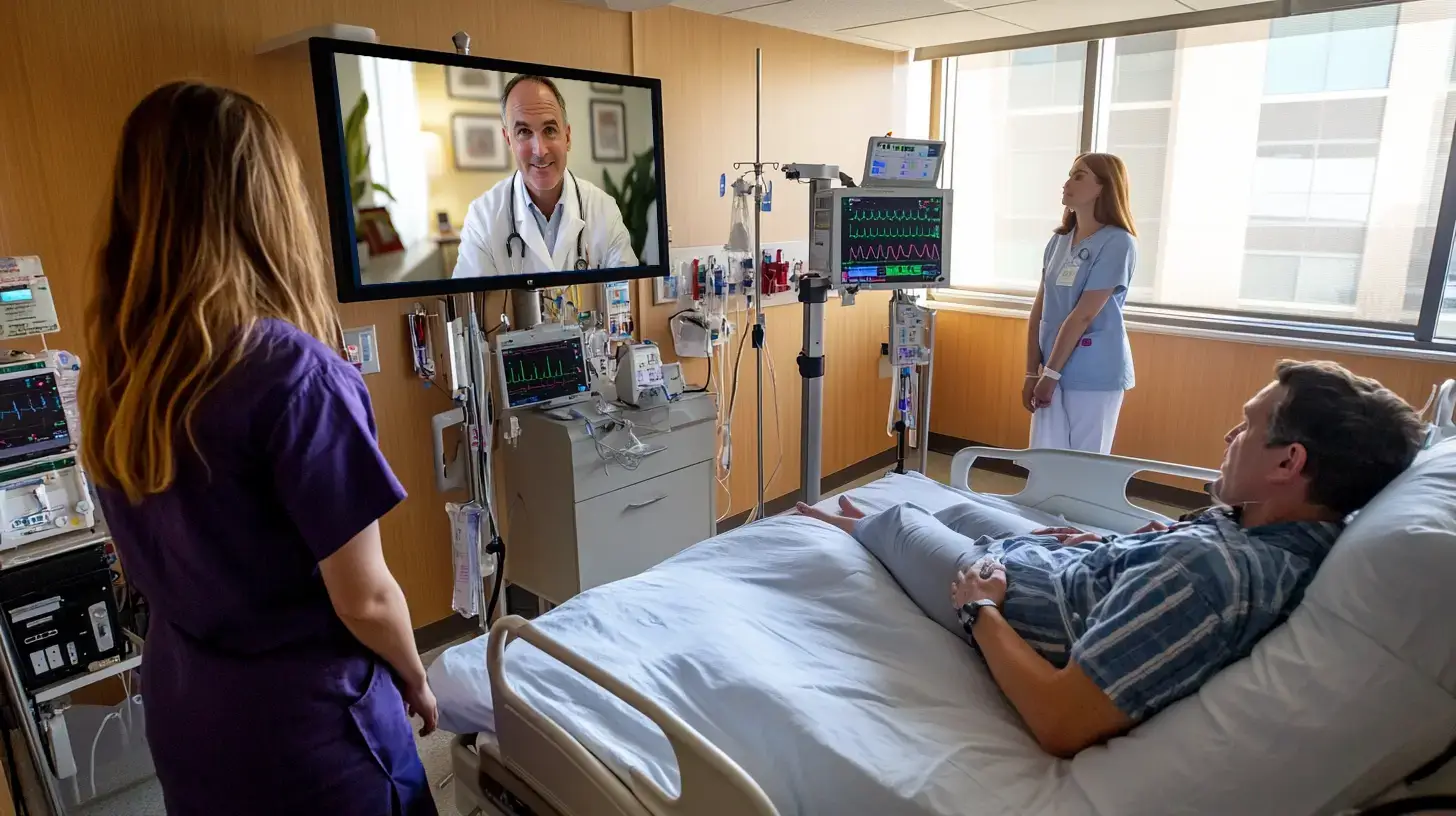
a stroke survivor seeing a teleneurohospitalist for daily rounding

In the rapidly evolving world of healthcare, teleneurology is redefining how hospitals and health systems deliver care. By combining advanced technology, innovative workflows, and seamless collaboration between in-house teams and virtual neurologists, the future of neurological care is here—and it’s transforming outcomes for patients and providers alike.

Discover how virtual neurology is transforming care across hub-and-spoke networks, academic medical centers, rural hospitals, and urban facilities—and why Sevaro is leading the charge with innovative solutions that improve outcomes, optimize resources, and redefine neurological care.

The future of neurology starts here.

The Rise of Virtual Neurology in Modern Healthcare

Neurology has always been a highly specialized field requiring timely intervention, especially in acute conditions like strokes, seizures, and traumatic brain injuries.

However, challenges such as neurologist shortages, geographic disparities, and rising patient volumes have placed immense strain on traditional healthcare systems.

Virtual neurology bridges these gaps by providing:

  • 24/7 access to expert care regardless of location.
  • Faster diagnosis and intervention through real-time consultations.
  • Streamlined collaboration between in-house and remote neurology teams.
  • Advanced analytics to improve patient care and operational efficiency.

Why Virtual Neurology Matters

Virtual neurology isn’t just a trend—it’s a critical solution to some of the most pressing challenges in modern healthcare. Here’s why it’s vital:

  • Addresses the Neurologist Shortage: Virtual neurology expands access to specialists, ensuring hospitals can provide expert care even with limited in-house resources.
  • Improves Patient Outcomes: Faster response times in conditions like stroke can mean the difference between recovery and lifelong disability.
  • Supports Health System Scalability: Health systems can extend their reach, serve larger populations, and retain patients within their network.

The Hybrid Model: In-House Teams + Virtual Neurologists

One of the most promising advancements in virtual neurology is the hybrid model, which integrates in-house neurology teams with remote virtual neurologists. This approach, powered by Synapse AI, ensures seamless collaboration across every level of care.

Key Benefits of the Hybrid Model:

  1. Improved Coverage:
    Hospitals can maintain 24/7 neurology coverage without overburdening in-house teams.

  2. Better Resource Allocation:
    Critical cases are prioritized while routine consultations are handled efficiently.

  3. Enhanced Patient Retention:
    By reducing the need for transfers, hospitals can keep patients within their network.

  4. Optimized Workflows:
    Synapse AI ensures real-time communication and streamlined documentation between teams.

How Synapse AI Revolutionizes Virtual Neurology

At the heart of Sevaro’s virtual neurology solutions is Synapse AI, a powerful platform designed to enhance collaboration, streamline workflows, and improve decision-making.

Key Features of Synapse AI:

  • Real-Time Analytics: Provides actionable insights to monitor program performance and improve outcomes.
  • Automated Documentation: Reduces administrative burden and minimizes provider fatigue.
  • Dynamic Triage Tools: Prioritizes patients based on acuity, ensuring critical cases receive immediate attention.
  • Seamless Integration: Connects in-house and virtual teams, enabling real-time collaboration.

Dr. Sam Saha, National Medical Director for Sevaro, explains, “Synapse AI isn’t just a tool—it’s a game-changer that allows neurologists to focus on what they do best: delivering exceptional patient care.”

Virtual Neurology’s Impact Across Healthcare Settings

1. Hub-and-Spoke Health Systems

Large health systems often face the challenge of coordinating care across multiple facilities. Virtual neurology powered by Synapse AI enhances their ability to deliver consistent, high-quality care.

Benefits for Hub-and-Spoke Models:

  • Centralized neurology expertise accessible to all spoke sites.
  • Faster triage for acute neurological events like stroke.
  • Improved patient flow and reduced transfer rates.

2. Academic Medical Centers

As leaders in research and training, academic medical centers must manage complex cases and provide 24/7 coverage. Virtual neurology integrates seamlessly into these high-demand environments.

Key Advantages for Academic Centers:

  • Ability to handle simultaneous stroke codes across multiple sites.
  • Real-time data insights to support clinical trials and research.
  • Extended reach to underserved regions for advanced care.

3. Rural Hospitals

Rural facilities often lack access to neurology specialists, leading to delays in care. Virtual neurology eliminates geographic barriers, ensuring patients in rural areas receive the same level of care as those in urban centers.

Benefits for Rural Hospitals:

  • Access to board-certified neurologists for consultations and diagnostics.
  • Reduced need for patient transfers, keeping care local.
  • Enhanced community health through consistent access to neurological expertise.

3. Urban Hospitals

Urban hospitals face high patient volumes and resource constraints. Virtual neurology optimizes workflows, allowing these facilities to manage demand effectively.

Key Advantages for Urban Facilities:

  • Scalable neurology services to match patient demand.
  • Streamlined documentation and triage with Synapse AI.
  • Better resource utilization, ensuring ICU and neuro beds are used efficiently.

The Future of Neurology Care: Comprehensive Solutions for Every Phase.

Virtual neurology isn’t just about acute care—it’s about building a robust neurological care journey that spans prevention, diagnosis, treatment, and recovery.

A Comprehensive Approach with Sevaro:

  • Acute Care: Rapid response for emergencies like stroke and seizures.
  • Inpatient Services: Collaborative management of complex neurological cases.
  • Outpatient Clinics: Follow-up care for conditions like migraines, Parkinson’s, and multiple sclerosis.
  • Preventative Programs: Proactive care to reduce the risk of recurrent strokes and other neurological events.

Why Sevaro is the Leader in Virtual Neurology

Sevaro combines cutting-edge technology with expert clinical care to deliver unmatched value to health systems. Here’s why hospitals choose Sevaro:

  • Fastest Response Times: Sevaro’s teleneurology services connect hospitals to neurologists in seconds, ensuring timely intervention.
  • Data-Driven Insights: Synapse AI empowers health systems with actionable analytics to improve care and efficiency.
  • Patient-Centered Approach: From acute care to recovery, Sevaro supports patients at every step of their journey.

Conclusion: A Future Built on Innovation and Collaboration.

The future of neurological care lies in the seamless integration of technology and expertise. Virtual neurology, supported by Synapse AI, is transforming how hospitals deliver care, improving outcomes, and addressing challenges like neurologist shortages and rising patient volumes.

At Sevaro, we’re not just participating in the future of neurology—we’re building it.


Ready to revolutionize neurological care in your hospital?
Discover how Sevaro’s virtual neurology services can transform your healthcare system. Contact us today!

Privileging Specialist

Full Time

Job Details

Position title:

Privileging Specialist

Location:

100% Remote

Reports to:

Director of Medical Staff Services

Company Description & Position Highlights

Sevaro is a leading tele-neurology company that focuses on delivering innovative healthcare solutions to patients across the globe. This is a remote organization offering the flexibility to work from anywhere.

As Privileging Specialist for Sevaro Health, you will play a crucial role in the Medical Staff Services Department at Sevaro. Your responsibilities will encompass various tasks to ensure efficient operations. The following key duties are integral to the position:

Internal Records Management & Communications

  • Ensure electronic provider records are being maintained and updated timely, accurately, and regularly to reflect any changes in provider status or credentials.
  • Support the team in obtaining additional documentation and verifications as needed, ensuring all records comply with internal and external standards.
  • Ensure MSS Department processes are being followed regarding the storing, submission, and information sharing of all obtained, completed, confirmed, and created documentation.
  • Ensure current statuses and information is being documented/displayed in the appropriate areas timely.

Privileging Specialist Duties

  • Assist in creating abbreviated CVs for privileging and privileging needs as needed.
  • Request COI’s for assigned sites in accordance with process.
  • Ensure providers are registered with any state Patient Compensation Funds by communicating this information with the risk management department.
  • Advise Onboarding of any site-specific training courses / orientations, certifications, or education that must be completed for privileges to be approved and track their progress to ensure timely completion as needed.
  • Ensure OSS is appropriately assigned reappointments, enrollments, references, and other credentialing tasks; promptly review items personally when necessary, and ensure all tasks are completed in a timely manner.
  • Regularly communicate with assigned facilities’ Medical Staff Professionals, ensuring timely responses to all queries; facilitate the resolution of outstanding items as requested by collaborating with internal and external stakeholders.
  • Maintain up-to-date knowledge of site-specific details, including meeting dates, workflows, and unique procedural nuances, and ensure all related systems and documentation are updated appropriately when changes occur.
  • Perform regular follow-up, as necessary, via telephone, email, and other available and necessary means of communication with both providers, medical staff offices, and other agencies.
  • Complete / facilitate completion, from start to finish, all steps necessary to submit complete and accurate pre-applications, initial applications, reappointments, add/change requests, and enrollment applications; including but not limited to supporting and/or supplemental documentation, current governmental health plan logins / connection requests are being completed, adding state licenses to NPPES, etc.
  • Participate in education sessions specific to corporate needs or job duties, whether locally or remotely, as needed.


Other Duties

  • Perform other job-related duties as required, adapting to new challenges and responsibilities as they arise.
  • Assist in audits and other administrative tasks assigned by management
  • Participate in education sessions specific to corporate needs or job duties, whether locally or remotely, as needed.

Qualifications:

  • High school diploma/GED.
  • Ability to maintain a high level of confidentiality.
  • Above-average organizational skills.
  • Proficiency in Microsoft Office, particularly Excel and Word.
  • Professional written and verbal communication and interpersonal skills required.
  • Ability to work in a typical office environment involving sitting or standing for long periods, some light lifting, and computer and desk work.

To Apply:

Please send your resume to our recruitment team, along with the role you are applying for listed in the subject line, to: recruitment@sevaro.com.

Equal Opportunity Provider

We are an equal opportunity employer and value diversity in our workforce. We do not discriminate on the basis of race, color, religion, national origin, gender, sexual orientation, age, marital status, veteran status, disability status, or any other protected characteristic. All qualified applicants will receive consideration for employment without regard to any such characteristic. We are committed to providing a fair and inclusive working environment for all employees, and we encourage individuals from all backgrounds to apply.

Skip to content