

By Rohini J. Kumar, M.D. PM&R
Physical Medicine & Rehabilitation, Neuro-Rehab Advisory Board
Sevaro Health
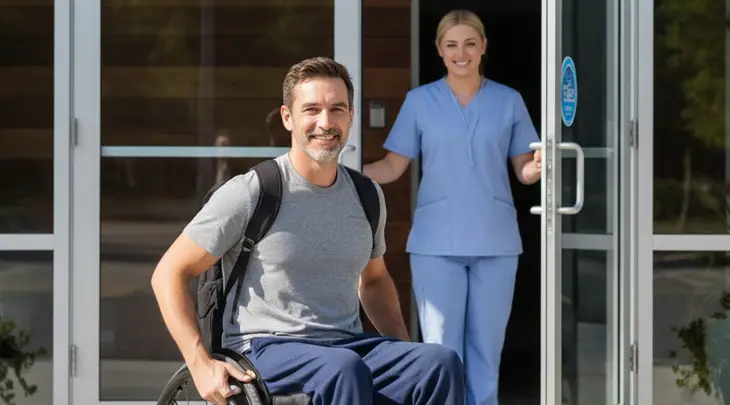
For patients who are recovering from neurological events, hospital discharge is not the finish line, but it’s the start of a critical phase of recovery. Too often, patients experience gaps in care once they leave the hospital, leading to stalled progress or unnecessary readmissions. Recent U.S. studies show that with structured and coordinated rehabilitation, mild to moderate stroke patients can reduce the risk of readmission by up to 30%; underscoring the urgency of care continuity.
At Sevaro, we believe the solution lies in outpatient neuro-rehabilitation that is coordinated, accessible, and continuous through a hybrid model of care using the Synapse AI platform and Sevaro stroke specialists. By strengthening outpatient pathways, we close the loop on neurological care and ensure patients remain supported throughout their journey.
Hospital discharge can feel abrupt. Patients move from a highly structured environment to outpatient care that is often fragmented. Readmissions not only disrupt recovery but also contribute to escalating healthcare costs. The American Hospital Association’s 2024 Costs of Caring report highlights the financial strain of workforce shortages on hospitals nationwide and contract labor totaling over $51B in 2023.5 For stroke survivors and others with neurological conditions, the risk is even higher if outpatient rehab is delayed or inconsistent.
Frequent causes for readmission 30-days post discharge for ischemic strokes
These are precisely the gaps that Sevaro’s outpatient Neuro-Rehab program is designed to address.
The reality is clear: patients need structured outpatient rehabilitation, but access and workforce support is insufficient. This is even more prevalent in rural communities and smaller health systems which often lack specialized neurology and rehabilitation resources, leaving patients vulnerable to gaps in recovery and higher readmission rates compared to urban communities.6 In fact, the most recent U.S. Census data show that 14.7% of rural residents report having a disability, compared to 12.6% of urban residents—a disparity linked to limited access to healthcare services, fewer specialized providers, and greater geographic isolation.7
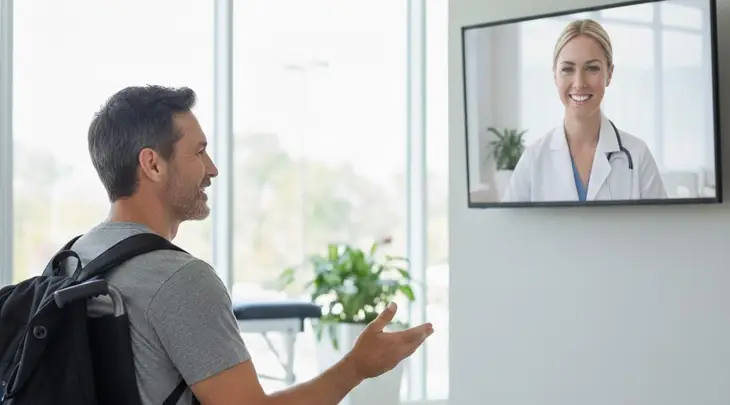
At Sevaro, our virtual outpatient clinics are designed to ensure patients don’t fall through the cracks once they leave the hospital. We focus on outpatient continuity, connecting patients to neurologists, rehab specialists and health coaches through coordinated systems of care reducing the time to see a specialist, which helps reduce readmission rates.
“Patient care extends beyond the acute phase for Sevaro. Our holistic approach is to address the softer side of medicine and focus on the patient and their caregiver's wellbeing. As providers, we know that a life-changing event has repercussions beyond what the eye can see. We want to provide emotional support, guide lifestyle behavior management and treat the silent deficits of our patients.”
Rohini J. Kumar, M.D. PM&R, Neuro-Rehab Advisory Board, Sevaro health
Outpatient programs emphasizing continuity and early follow-up can reduce 30-day readmission risk by 20–30%, with overall readmission rates for mild to moderate cases estimated at 10–12%, significantly lower than severe strokes 1, 2, 3. By closing the loop through coordinated outpatient Neuro-Rehab, Sevaro helps ensure recovery continues seamlessly by helping to lower rehospitalization costs and improve the quality of life for patients.
Average stroke related
readmission cost per case4
Days post discharge patient
is seen in virtual clinic8
Average stroke related
readmission cost per case4
Days post discharge patient
is seen in virtual clinic8
Closing the gap in neurological care requires a commitment to outpatient follow-ups. At Sevaro, we are redefining Neuro-Rehab by focusing on coordinated outpatient pathways that keep patients connected to their care teams. Coordinated care with a focus on patient empowerment and health coaching can help patients maintain their functional gains by staying engaged in the recovery journey.
Recovery doesn’t end at hospital discharge; it begins there. By ensuring continuity through outpatient rehabilitation, we deliver on our promise to truly close the loop on neurological care. For hospitals seeking to reduce readmissions, extend specialty capacity, and support recovery beyond discharge, outpatient Neuro-Rehab must be treated as core infrastructure and not an afterthought.
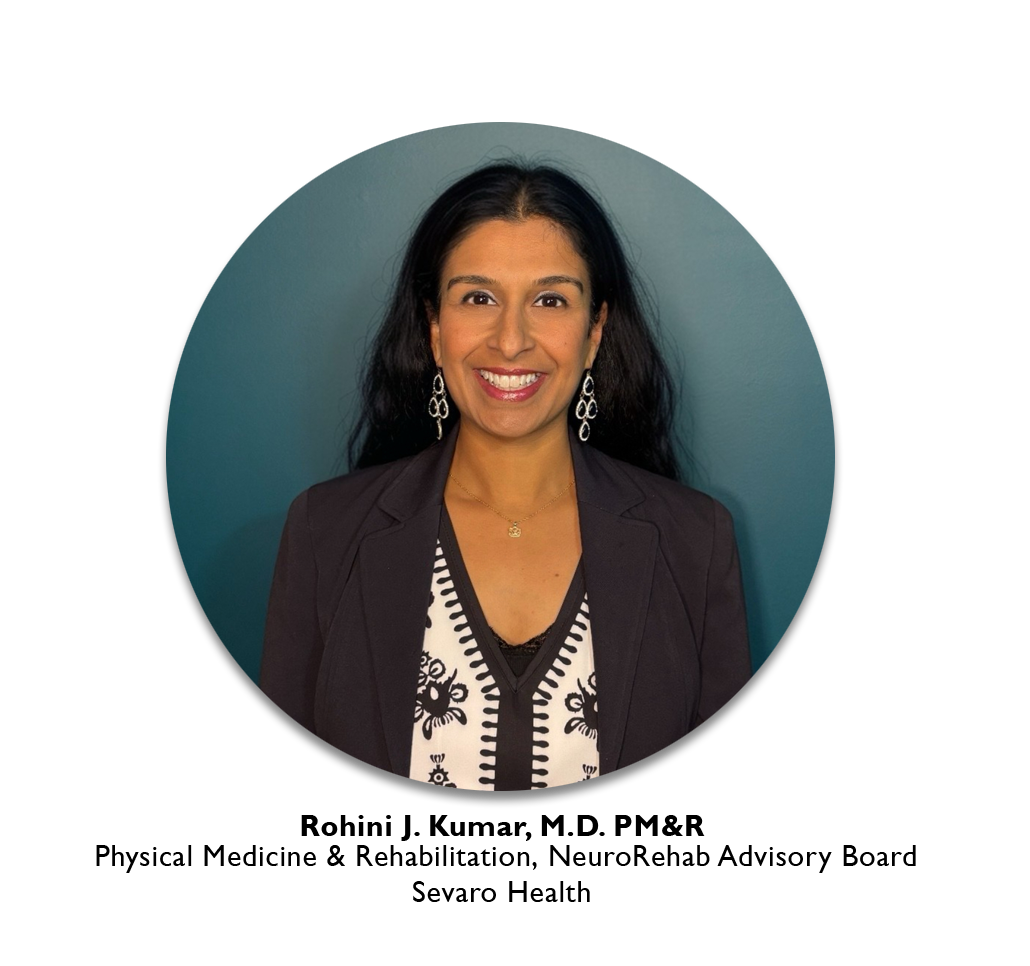
Rohini Kumar, M.D. PM&R
Dr. Rohini Kumar is a Board-Certified Physiatrist who graduated medical school from Thomas Jefferson University & completed her residency training at Temple University Hospital/Moss Rehab in Philadelphia PA. She has received Medical Leadership training from the American Academy of Physician Leaders & Emory’s Women in Leadership program. Dr. Kumar is certified in Lifestyle Medicine & Wellness Coaching from Harvard and incorporates a holistic therapeutic approach to preventative care.
Dr. Kumar comes to Sevaro with more than 10 years of experience caring for stroke patients. She serves as an Advisory Board Member for Neuro-Rehabilitation at Sevaro. She is focused on bringing novel cognitive therapies to patients via a virtual platform and coordination of care for chronic disease management.
Dr. Kumar brings years of expertise and passion aimed at improving the recovery journey for patients with neurologic sequela and is excited to increase the outpatient services for Sevaro’s patients.
Q: What does “closing the loop” mean in neurological care?
A: It means ensuring patients receive continuous support after hospital discharge, with no gaps from hospital to home.
Q: How is Sevaro’s Neuro-Rehab program different from traditional rehab?
A: Sevaro emphasizes outpatient continuity, using care navigators, health coaches, and technology-enabled coordination to keep patients connected to their neurology team in a virtual setting.
Q: Does this program involve home-based care?
A: No. Sevaro’s Neuro-Rehab program is focused on connecting patients to virtual stroke specialists in outpatient clinics and coordinated systems of care, not in-home services.
Q: Who benefits most from outpatient Neuro-Rehab?
A: Patients recovering from neurological events such as mild to moderate stroke conditions benefit from structured virtual outpatient rehab that reduces readmissions and improves recovery outcomes.
Q: How does Sevaro measure success in outpatient Neuro-Rehab?
A: We track outcomes such as reduced hospital readmissions, improved functional recovery scores, and patient satisfaction to ensure accountability and continuous improvement.