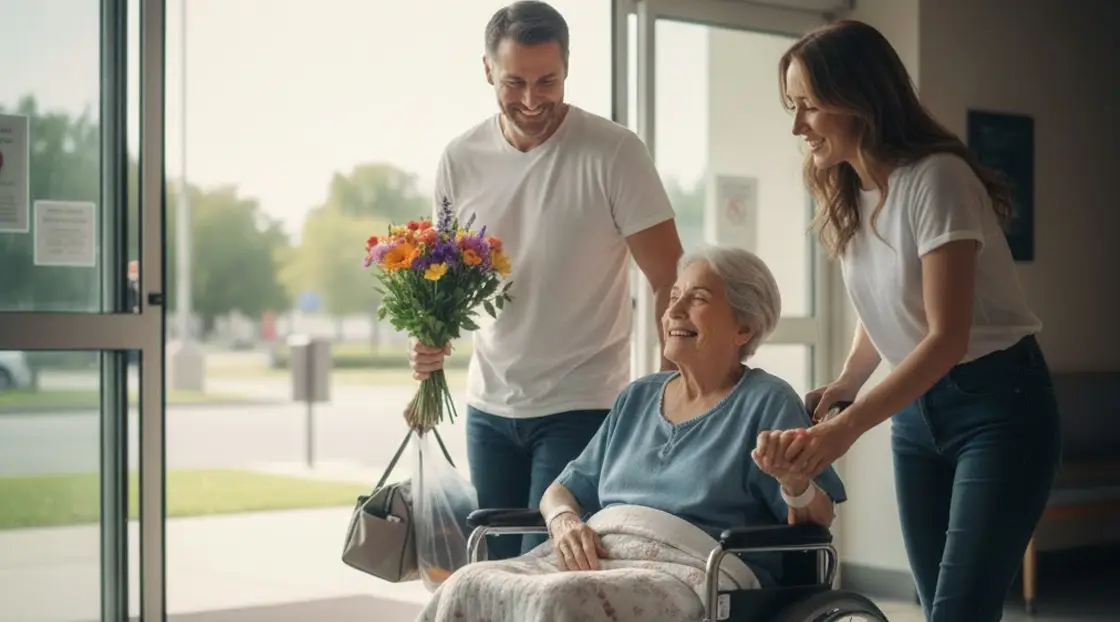
Specialty Care in Rural Areas: Why Your Zip Code Shouldn’t Determine Your Neurology Outcome

By Chethan Sathya, MD

Chief Physician Executive

Sevaro Health

Key points summary

  • Rural neurology access is a care gap, not a choice. Too few specialists serve rural communities, creating serious risks for time-sensitive neurological conditions.

  • Frequent patient transfers disrupt care. Sending patients long distances fragments treatment, separates families, and strains rural hospitals.

  • Telemedicine improves access—but often stops at the ER. Many models focus on acute consults without supporting long-term specialty care.

  • Virtual subspecialty clinics extend care locally. Ongoing virtual neurology support keeps patients in their communities and strengthens local care teams.

  • Integrated tele-neurology models deliver better outcomes. Combining acute care with longitudinal support reduces transfers and improves continuity.

The Longitudinal Mandate: Orchestrating Specialty Care in Rural Areas

The gap between urban and rural specialty care is no longer just a geographic hurdle; it is a clinical crisis. While 20% of Americans live in rural communities, only about 9% of physicians – and an even smaller fraction of specialists – practice there.¹ In stroke care, where “time is brain,” this shortage is particularly dangerous and traditional models of care are increasingly insufficient to meet modern needs. 

Many rural hospitals lack immediate access to neurologists, stroke specialists, and subspecialties for follow-up care. Patients with conditions like Parkinson’s disease, epilepsy, migraine disorders, transient ischemic attacks (TIAs), or stroke complications often face a gauntlet of barriers including: 


  • Long-distance travel for acute and chronic care 
  • Fragmented care transitions that risk readmission 
  • Limited subspecialty support for local clinicians 

These gaps contribute to delayed diagnoses, increased readmissions, and higher caregiver burden. To change this, rural specialty care must move beyond episodic “one-and-done” consultations to support continuity, local care ownership, and improved outcomes that empower both patients and providers.  

The Access Challenge in Rural Neurological Care

Barriers to accessing specialty care are not limited to geography. A survey found that nearly one-third of Americans have experienced difficulty obtaining specialty care, with securing timely appointments and long wait times cited as primary obstacles. For rural populations, these barriers interact with limited transportation, inconsistent broadband access, and local workforce shortages, compounding the challenge of achieving equitable care delivery. 
Beyond the "Transfer-Out" Culture

If you have ever stood bedside in a rural ED, you know the weight of the “transfer-out” decision. It is a moment defined by a lack of options, where the patient’s best chance at recovery requires a flight or lengthy ambulance ride to a specialty care facility.  

This isn’t just a logistical hurdle; it is a clinical failure that fragments the patient’s experience and separates families when they are needed the most. Specialty care in rural areas should not be a luxury of geography. 3 In our field, where we count success in neurons saved per minute, we must do better than just getting a specialist on a screen for a one-time consultation. 4 

Telemedicine: Progress and Limitations

Telehealth modalities have expanded rapidly since the COVID-19 pandemic and are increasingly recognized as essential tools for extending rural specialty care. Telemedicine has been shown to improve access for patients in rural settings when local specialists are unavailable, particularly for follow-ups and specialist “reach-back.”4 However, traditional telemedicine often stops at the emergency consultation, leaving patients without ongoing specialty support for continuous, high-quality care. 

Virtual Rural Subspecialty Clinics: Beyond the ER

Solving the emergency is only part of the battle; true recovery happens in the weeks, months, and even years after a patient leaves the hospital. When we bring subspecialty expertise directly into the local context, we protect the existing patient-provider relationship. This prevents the “geographic penalty” where rural patients feel forced to travel long distances, and it keeps the care where it belongs: within the community. 

To achieve this, we realized we needed more than just better software; we needed a collective shift in how we support rural medicine. This is why the National Specialty Care Access Coalition (NSCAC) was established. Convened by Sevaro, this clinician-led coalition brings together leading health systems from across the country to standardize rural specialty delivery and address the policy and reimbursement hurdles that have historically limited rural access.  

The Rural Specialty Care Bottom Line

Research highlights the importance of telehealth is most effective as a core component of broader rural health optimization strategies.3 Ensuring equitable access to rural neurological care means addressing both systemic and patient-level barriers. While digital innovations play a role, ongoing infrastructure and community engagement are crucial. 

The narrative needs to change from viewing telemedicine as a basic tool to a model of full-scale clinical integration. The evidence shows that integrated telemedicine models-combining acute stroke intervention with longitudinal subspecialty support-can successfully close specialty care gaps in rural areas. When rural health systems have access to both immediate consultation and ongoing neurological expertise, they can manage more patients locally while maintaining quality outcomes. This approach supports the bedside team, reduces unnecessary transfers, and improves continuity of care. 

Frequently Asked Questions

Q: Why is neurological care harder to access in rural areas?
A: There are fewer specialists, longer travel distances, and infrastructure limitations that delay diagnosis and treatment.


Q: Which neurological patients are most affected?
A: Patients with stroke, Parkinson’s disease, epilepsy, migraines, TIAs, and other chronic neurological conditions.


Q: Why isn’t transferring patients to urban hospitals enough?
A: Transfers delay care, increase costs, disrupt families, and weaken local hospital capabilities.


Q: How has telemedicine helped so far?
A: It provides access to specialists when none are available locally, especially for emergency consults and follow-ups.


Q: What’s missing from traditional telemedicine?
A: Ongoing specialty involvement after the initial consultation or hospital discharge.


Q: What are virtual rural subspecialty clinics?
A: They provide continuous specialty support to patients and clinicians within local care settings using virtual models.


Q: How do integrated tele-neurology models help hospitals?
A: They allow more patients to be treated locally, reduce unnecessary transfers, and support bedside teams.


Q: What’s the key takeaway?
A: Rural neurology care improves when specialty expertise is integrated longitudinally—not delivered as a one-time event.

  1. National Specialty Care Access Coalition. National specialty care access coalition launches to address widening gaps in rural and underserved communities. Press release. February 4, 2026. 
  2. Schuldt R, Jinnett K. Barriers accessing specialty care in the United States: a patient perspective. BMC Health Serv Res. 2024 Dec 5;24(1):1549. doi: 10.1186/s12913-024-11921-0. PMID: 39633337; PMCID: PMC11619391. 
  3. Sevaro Health. Virtual neurology outpatient clinics: bringing expert neurological care to ambulatory clinics.  https://sevaro.com/ambulatory-clinic/ 
  4. Totten AM, Womack DM, Eden KB, et al. Telehealth for acute and chronic care consultations. Agency for Healthcare Research and Quality. Updated 2024. AHRQ Publication No. 24-EHC005. 

Neurology Workforce Burnout Solutions: Creating a Sustainable Future Through Integrated Hybrid Care

Insights from the 2026 International Stroke Conference

By the Sevaro Health Editorial Team

Dr. Taking telestroke visit

Neurology programs across the United States face a crisis: patient demand is rising, subspecialists are scarce, and existing providers are burning out under unsustainable workloads. The result? Extended wait times, delayed diagnoses, unnecessary transfers, and fragmented care that puts patients at risk. This underscores the urgent need for neurology workforce burnout solutions that protect both the patients and the providers from the risks of a strained system. 


At the 2026 International Stroke Conference (ISC), Sevaro Health explored the most pressing question facing modern health systems: How can neurological care scale to meet growing demand without sacrificing quality, continuity, or clinician well‑being?  

In a joint presentation, Dr. Raj Narula, Founder and CEO at Sevaro Health and Dr. Melanie Winningham, Vice President of Clinical Strategy & Partnerships at Sevaro Health, outlined why the hybrid model is rapidly becoming the foundation of modern neurological care. 


Noteworthy Highlights: 

  • Nearly 42% of physicians are approaching retirement age, with burnout accelerating early departures from practice. 
  • Hybrid neurology care models integrate on site and virtual neurologists to extend coverage without increasing individual provider burden. 
  • Neurologists spend 40% of their time on documentation and administrative tasks – a primary driver of burnout. 
  • Coverage schedules enabled by hybrid models can reduce unsustainable 24/7 call demands. 
  • Health systems implementing hybrid models report improved provider satisfaction and retention alongside better patient access. 

The Neurology Workforce Crisis: Why Hybrid Models Matter

Dr. Narula opened the presentation by framing the scope of the crisis facing neurology programs nationwide.  The specialty faces a perfect storm:  

  • Subspecialty coverage gaps: Nearly 20% of the adult population live more than 60 minutes away from advanced neurological care.1 
  • Extended wait times: In rural communities, the average wait time for an outpatient neurology appointment can reach 86 days.2 
  • Fragmented technology: Disconnected systems create a massive burden for clinicians, reducing time clinicians spent on direct patient care. 
  • Patients “lost in the mix”: Approximately 22% of stroke patients are readmitted within a year of discharge, up to 53% of those are potentially avoidable with better coordination.3 

Dr. Winningham emphasized these statistics represent a human impact both for patients experiencing delays in care and for providers struggling under unsustainable workloads. Hybrid care models, Drs. Narula and Winningham argued, offer a practical, scalable solution to these pressures. 

Telestroke Team Review

Hybrid Care Model: Neurology Workforce Burnout Solution Involves Integration, Not Replacement

The central thesis of the presentation was hybrid care models. Dr. Winningham emphasized that rather than viewing virtual neurology as a replacement for in‑person care, hybrid care models should be considered a force multiplier. This approach allows hospitals to extend the reach of their existing neurologists while ensuring patients receive timely, high‑quality care across the full neurological journey, from acute presentation through inpatient care, discharge, and outpatient follow-up. By removing the friction between on-site and virtual teams, hospitals can implement quality neurology workforce burnout solutions that reduce the load on local providers rather than adding to it. 

Successful Neurology Hybrid Care Models Require:

  • Integrated workflows: ensuring documentation and EMR integration are native to the current process 
  • Real‑time availability bypassing traditional call center bottlenecks to connect the patients to a neurologist in seconds. 
  • Direct clinician‑to‑clinician communication without unnecessary intermediaries, in real-time 

Neurological emergencies don’t follow a 9-to5-schedule. A hybrid neurology care model represents a paradigm shift in how health systems structure coverage, moving from a model that relies on in-person physicians absorbing all coverage needs, to one that distributes the workload sustainable across integrated teams of on-site and virtual specialists. Virtual neurologists can provide backup coverage, support week‑on/week‑off hospitalist models and help bridge any gaps while programs recruit permanent staff. This layered approach improves retention by reducing cognitive overload and allowing clinicians to practice at the top of their license. 

Clinical Benefits of Hybrid Neurology Care

The impact of hybrid models extends across the entire neurological care continuum, from acute stroke response through inpatient care, discharge planning, and outpatient care. 

How Hybrid Coverage Addresses Root Causes of Burnout

The ISC learning session highlighted how hybrid models target each major burnout driver: 

  • Robust inpatient rounding: Ensuring that patients on the floor receive specialized attention without overextending on-site staff.  
  • Neurocritical care coverage: Bridges the gap by bringing elite expertise to the bedside, working in tandem with the in-house care team to deliver immediate, high-quality care  
  • Reducing unnecessary hospital transfers: Allows patients to stay local, reducing family stress and strengthening trust in local facilities. 
  • Post‑discharge follow‑up: Through virtual neurology clinics, specialists can ensure the transition home is successful and can monitor the patient through the 14-day “high risk” period, to help reduce patient readmission rates.  

Reducing Neurologist Burnout with Integrated Technology

Data and technology play a critical role in making hybrid care sustainable. In fragmented systems, neurologists spend 40% of their time on documentation, navigating fragmented EHRs, and non-clinical tasks4Hybrid platforms, when designed by clinicians, enhance care delivery rather than complicate it.  

Key capabilities include:  

  • Automated documentation eliminating the need for 3-5 different systems 
  • Real‑time performance analytics that drive immediate improvements in patient care  
  • AI‑supported workflow optimization that intelligently routes consults to the appropriate specialist  
  • Seamless EMR integration working to eliminate duplicate data entry needs 

Hybrid care tools allow neurologists to focus on clinical reasoning and patient interaction rather than system navigation and administrative tasks. 

Retaining Care Locally: A Critical Neurology Workforce Burnout Solution

Health systems leveraging virtual neurologists alongside in‑house teams have reduced unnecessary transfers, shortened response times for stroke consults, and kept patients in their local communities whenever safe and appropriate. Beyond financial savings, these outcomes carry meaningful human benefits: fewer families traveling long distances, more continuity of care, and stronger trust between patients and their local hospitals. 

By sharing coverage and reducing unnecessary interruptions, hybrid care helps prevent neurologists from burning out. Clinicians gain flexibility and support which allows them to focus on patient care while maintaining sustainable workloads. 

Hybrid Neurology

Implementing Hybrid Neurology Care

Importantly, hybrid models are not one‑size‑fits‑all. Successful programs tailor their approach based on available resources, patient volumes, and strategic goals.  

  • Bridge Model: Some hospitals use hybrid care as a temporary bridge to maintain safety and revenue while building in‑house teams;  
  • The Permanent Partnership: others adopt it as a permanent strategy to bring subspecialty expertise to rural or community hospitals that could not otherwise support those roles.  

What matters most is flexibility. Flexibility to adapt as programs grow, staffing changes, or patient needs evolve. This builds a foundation that allows for the highest quality care while avoiding neurologist burn-out. 

As the presentation concluded, a forward-thinking perspective on the evolution of neurology practice was shared by Dr. Narula stressed, “the future of neurology will be defined by collaboration, rather than competition between virtual and in-person care. Technology alone is not the answer; neither is virtual care in isolation. Instead, the next generation of neurological care will blend people, processes, and technology into a cohesive system that prioritizes access, quality, and sustainability.” 

The question is no longer whether a hybrid neurological care model works – the evidence is clear with 74% of hospitals leaders reporting that virtual and hybrid care models are now integral to their acute care delivery5. The question now is how quickly other health systems can implement them.  

Sustainability in neurology isn’t just about hiring more people; it’s about changing the way the work is distributed. By embracing Neurology Workforce Burnout Solutions that leverage the best of both virtual and on-site care, health systems can finally move away from a reactive ‘crisis’ mode. The path forward is clear: integrate, innovate, and prioritize the well-being of those who provide life-saving care 

Frequently Asked Questions

Q: What is a hybrid neurology care model? 
A: A hybrid neurology care model blends in‑person neurologists with virtual specialists who work as a single, integrated team. Patients and clinicians experience the same workflows and standards of care regardless of whether the neurologist is on site or remote. 


Q: Does virtual neurology replace on‑site neurologists? 
A: No. Hybrid care is designed to complement and support on‑site teams, not replace them. Virtual neurologists extend capacity, provide backup coverage, and help sustain programs during recruitment or growth periods.  


Q: How does hybrid care improve access to neurological services? 
A: Hybrid models expand coverage by making neurologists available during nights, weekends, surge events, and staffing transitions. This ensures patients receive timely consultations even when in‑house resources are limited. 


Q: What types of neurological care can be supported through hybrid models? 
A: Hybrid care can support the full neurological continuum, including acute stroke response, inpatient rounding, neurocritical care consultation, post‑discharge follow‑up, outpatient clinics, and ongoing care for conditions such as epilepsy, migraine, multiple sclerosis, and stroke recovery.


Q: Can hybrid models reduce hospital transfers and readmissions? 
A: Yes. By providing timely access to neurologists and enabling local management when appropriate, hybrid care reduces unnecessary transfers and helps prevent avoidable readmissions—keeping patients closer to home.  


Q: How do hybrid models impact clinician workload and retention? 
A: By sharing coverage and reducing unnecessary interruptions, hybrid care helps prevent burnout. Clinicians gain flexibility and support, allowing them to focus on patient care while maintaining sustainable workloads. 


Q: What role does technology play in hybrid neurology? 
A: Technology enables seamless communication, real‑time availability, EMR integration, documentation support, and performance analytics. When designed around clinical workflows, these tools enhance efficiency without disrupting care delivery. 


Q: Are hybrid models adaptable to different hospital environments? 
A: Hybrid care is highly flexible and can be tailored to each health system’s needs, whether as a temporary bridge during staffing shortages or a long‑term strategy for rural, community, or multi‑facility networks. 

  1. CDC, Disparities in Timely Access to Certified Stroke Care (2025); AAMC, The Complexities of Physician Supply and Demand (2024); 
  2. PubMed, Improving Wait-times in Outpatient Neurology (2025). 
  3. Kilkenny MF, Kim J, Sundararajan V, et al. Readmissions and mortality during the first year after stroke: data from a population-based incidence study. Frontiers in Neurology. 2020;11:636. doi:10.3389/fneur.2020.00636 
  4. Winningham M, Narula R, et al. It’s time to change our documentation philosophy: writing better neurology notes without the burnout. Frontiers in Digital Health. 2022;4:1063141. 
  5. American Hospital Association. 2026 Environmental Scan. American Hospital Association; 2025. Accessed 2/13/2026 

Sevaro Partners with NSCAC to Address Healthcare Gaps

February 18, 2026
Sevaro in the news thumbnail

NEW YORK, Feb. 18, 2026  — The National Specialty Care Access Coalition (NSCAC), a collaboration of more than 20 major US health systems, today announced its launch to address the growing breakdown in access to medical specialists across the United States. The coalition brings together health systems, clinicians, technology partners, and policy stakeholders to advance multispecialty, tech-enabled specialty care models designed to expand access for rural communities and underserved urban neighborhoods. Unlike existing efforts that focus on single specialties, individual technologies, or isolated pilot programs, the NSCAC is a health system coalition designed to align multispecialty care models, policy reform, and real-world implementation at national scale.

The launch comes at a pivotal moment. With the introduction of the Centers for Medicare and Medicaid Services (CMS) Rural Health Transformation initiative and more than $50 billion in new federal and state investment, there is unprecedented momentum to rethink how specialty care is delivered nationwide. Yet access gaps remain severe. Nearly 20 percent of Americans live in rural areas, while only about 9 percent of physicians practice there, leaving many rural hospitals without reliable access to core specialties such as neurology, cardiology, maternal fetal medicine, critical care, dermatology, surgery and pediatrics. Similar shortages affect underserved urban communities, where demand for specialty care continues to far exceed available capacity.

The coalition is convened and chaired by Dr. Chethan Sathya, physician executive and nationally recognized leader in public health innovation, and Dr. Raj Narula, physician and national leader in tech-enabled specialty care access. The NSCAC’s founding 20 plus large health systems collectively deliver care across vast rural regions and high-need urban communities nationwide.

“Access to specialty care should never depend on a patient’s ZIP code, income, or background. Advancing health equity requires coordinated, systemic action. Rutgers Robert Wood Johnson Medical School and Rutgers New Jersey Medical School are proud to stand with the National Specialty Care Access Coalition to dismantle barriers, expand access, and ensure every community receives the expert care it deserves,” says Amy P. Murtha, MD, Dean of Rutgers Robert Wood Johnson Medical School, and Robert L. Johnson, MD, FAAP, Interim Chancellor of Rutgers Health and Dean of Rutgers New Jersey Medical School.

To support the coalition’s policy and infrastructure work, additional thought partners include former CMS leaders, The Children’s Hospital Association, state hospital associations, The Center for Telehealth and eHealth Law, and technology collaborators that work across rural communities such as T-MobileSevaro Health, and Samsung. Participation does not imply endorsement of any single technology platform. Together, the health system coalition brings leaders together around a shared mandate to move beyond fragmented solutions and define scalable, outcomes driven approaches to specialty care access nationwide. 

The National Specialty Care Access Coalition will focus on three initial priorities:

  • Standardizing Care Models: Developing scalable, multispecialty care pathways designed for the operational realities of rural hospitals and high-need urban health systems.
  • Advancing Policy Reform: Producing a landmark white paper with unified recommendations for the Centers for Medicare and Medicaid Services and state Medicaid agencies to modernize reimbursement, licensing, and regulatory frameworks for virtual and network-based specialty care.
  • Accelerating Implementation: Sharing real-world learnings on implementation barriers and facilitators, while enabling collaboration among health systems and rural partners to launch pilots across high-impact specialties including neurology, cardiology, maternal fetal medicine, neonatology, critical care, and chronic disease management to inform national standards.

“NSCAC membership affords Dartmouth Health and other members a dynamic opportunity to continue shaping the future of rural healthcare through innovation in technology and telehealth,” said Kevin M. Curtis, MD, MS, Medical Director, Dartmouth Health Connected Care and Center for Telehealth. By collaborating with peer institutions, we can accelerate solutions that overcome longstanding barriers to access, workforce capacity, transportation, cost, and equity. As one of the most rural health systems in the country, Dartmouth Health has long leveraged telehealth to connect patients with the care they need. The advancements generated by NSCAC will be transformative in expanding access and strengthening care delivery across rural communities, including northern New England.”

“We look forward to any opportunity to contribute to sustainability of rural healthcare. This seems like an opportunity that will help us lean into that important part of our mission,” added Adam Hornung, VP Medical Transport-Telehealth-Transfer Centers-Outreach Services, Intermountain Health.

The National Specialty Care Access Coalition will begin formal work in early 2026, with additional health systems invited to submit expressions of interest as the coalition expands.

About the NSCAC

The NSCAC is a national collaborative uniting health systems, clinicians, technology innovators, and policy leaders to confront the widening shortage of medical specialists in rural communities and underserved urban neighborhoods. The coalition focuses on building scalable, tech-enabled multispecialty care models that close persistent access gaps and modernize how specialty care is delivered nationwide.

Founded by leading clinical, public health, and health system experts, NSCAC advances unified standards, policy reform, and multi-system pilots to ensure timely and equitable access to specialty care across the United States.

Press Contact

Info@SpecialtyCareAccess.org

SpecialtyCareAccess.org

Rapid Stroke Response Saves Lives: Turning Minutes into Miracles

How Seamless Teamwork and Technology Delivered a Full Recovery in Record Time

Stroke patient awaiting telestroke visit

In mid 2025, a male patient was urgently transported by Emergency Medical Services (EMS) to a partnering Emergency Department, where Sevaro serves as the hospital’s trusted neurology partner. The patient was found at home exhibiting classic signs of acute stroke: right-sided paralysis, facial droop, and expressive aphasia. Based on the estimated time of symptom onset, he was outside the therapeutic window for TNK (tenecteplase) administration.

Summary

  • A patient presented to a partner emergency department with severe acute ischemic stroke symptoms and an NIHSS score of 23, indicating a high‑risk large vessel occlusion.
  • CT and CTA imaging confirmed a complete occlusion of the left M1 segment of the middle cerebral artery, requiring urgent intervention.
  • Mechanical thrombectomy achieved TICI 3 reperfusion with a door‑to‑reperfusion time of 41 minutes.
  • The patient made a complete neurological recovery, improving from NIHSS 23 to 0 and was discharged home four days later.

Initial Assessment

Upon arrival, the stroke team conducted a rapid neurological evaluation, assigning the patient a National Institutes of Health Stroke Scale (NIHSS) score of 23; indicative of a severe stroke. The hospital’s Code Stroke protocol was immediately activated.

Imaging and Diagnosis

Within minutes, the patient underwent CT and CTA imaging. Results revealed a complete occlusion of the left M1 segment of the middle cerebral artery (MCA), confirming a large vessel occlusion (LVO)—a life-threatening condition requiring urgent intervention.

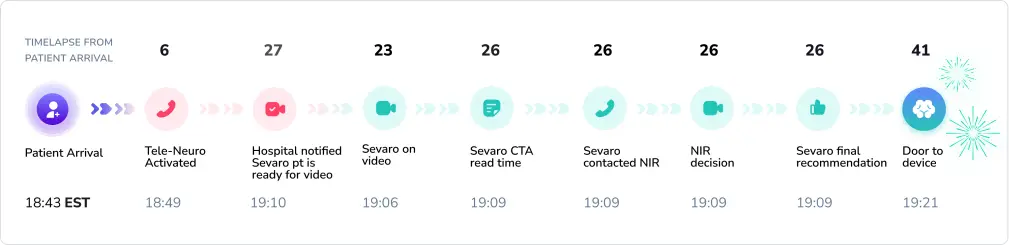
Sevaro's consulting neurologist on this case contacted local NIR and began coordination of care in less than 1 minute of CTA review.

Coordinated Care in Action

In this acute stroke case, Sevaro’s neurologist played a critical role in ensuring timely and coordinated care. Sevaro’s neurologist was on the video screen and prepared to assess the patient at the moment the patient arrived from the imaging suite, even prior to notification from the hospital staff eliminating any delay in evaluation or escalation of care.

CTA imaging was reviewed promptly upon availability, and Neurointerventional Radiology was contacted immediately based on the findings.

This real-time coordination and readiness supported rapid clinical decision-making and contributed to an excellent patient outcome. The case underscores the impact of Sevaro’s integrated technology and proactive clinical workflow in supporting hospital teams and optimizing stroke care delivery.

From door to diagnosis, every second counted — and our team delivered.

Telestroke visit flow

Once in the neurointerventional suite, the patient underwent mechanical thrombectomy.

Discharge and Recovery

Remarkably, the patient was discharged home just four days after arrival with a final NIHSS score of 0—indicating complete neurological recovery. This outcome underscores the effectiveness of a tightly integrated stroke response system.

System Performance

This real-world case exemplifies the strength of a multidisciplinary, time-sensitive stroke care pathway. From EMS prenotification and Emergency Department triage to Sevaro’s remote neurology assessment and swift neurointerventional radiology (NIR) action, every phase of care was executed with precision. Seamless handoffs and synchronized teamwork ensured that no time was lost.

Key metrics: 

  • Initial call to Sevaro response: 33 seconds
  • Sevaro Ready for video call activation to on screen: -4 minutes
  • Sevaro CTA read to NIR contact: 0 minutes
  • Door-to-reperfusion time: 41 minutes
  • TICI 3 reperfusion achieved
  • NIHSS improvement: 23 ➡️ 0

Conclusion

This case is a testament to the power of collaboration, technology-enabled decision-making, and protocol-driven care. It highlights how a well-orchestrated stroke system can dramatically improve patient outcomes by turning a life-threatening event into a story of full recovery.

Ready to be the next hospital to revolutionize neurological care?  

Frequently Asked Questions

Q: What made this stroke case particularly high‑risk?

A: The patient presented with severe neurological deficits and an NIHSS score of 23, indicating a large, life‑threatening stroke caused by a complete occlusion of a major cerebral artery

Q: Why was thrombolytic therapy not used?

A: Based on the estimated time of symptom onset, the patient was outside the therapeutic window for TNK administration, making mechanical thrombectomy the appropriate intervention

Q: What role did Sevaro play in the patient’s care?

A: Sevaro’s consulting neurologist conducted rapid remote assessment, reviewed imaging in real time, and immediately coordinated with neurointerventional radiology to accelerate escalation of care

Q: How quickly was care escalated after imaging?

A: CTA imaging was reviewed as soon as it became available, and NIR was contacted within the same minute, eliminating delays between diagnosis and intervention.

Q: How did Sevaro’s technology impact response time?

A: Sevaro’s integrated platform enabled the neurologist to be live on video and ready to assess the patient before formal notification, supporting continuous momentum in care delivery

Q: What were the key performance metrics in this case?

A: Key metrics included a 33‑second initial response to Sevaro, immediate CTA‑to‑NIR communication, a 41‑minute door‑to‑reperfusion time, TICI 3 reperfusion, and full neurological recovery

Q: What was the patient outcome?

A: The patient achieved complete neurological recovery, was discharged home after four days, and had a final NIHSS score of 0, demonstrating the effectiveness of the coordinated stroke response

Q: What does this case illustrate for health systems?

A: This case highlights the value of a tightly integrated, technology‑enabled stroke care model where proactive neurology coverage and multidisciplinary coordination can dramatically improve outcomes

January 27, 2026

New York, NY — January 27, 2026 Sevaro Health, the company transforming neurological and specialty care through advanced technology, today announced the appointments of Carl Dugart as Chief Technology Officer and Vineet Agrawal as Head of Growth. These strategic hires follow Sevaro’s recent $39 million Series B funding round, which is accelerating the expansion of its AI-powered infrastructure for specialty care nationwide.

Carl Dugart is a seasoned technology leader with a proven record of scaling complex platforms and building high‑performing engineering teams. His work includes deep EMR integrations that streamline AI-powered clinician workflows, improve data liquidity, and enable closed‑loop communication between hospital teams and virtual specialists.

Most recently, Carl led transformative technology initiatives at Medically Home, enabling care delivery at scale. His pragmatic, customer-first approach aligns exactly with Sevaro’s mission around providing care throughout the patient journey.

Vineet Agrawal is an experienced health‑tech executive who understands the needs of health systems seeking to leverage technology to improve patient outcomes, in various specialties including neurology, vascular surgery, IR, cardiology, and orthopedic surgery. With eleven years of leadership at Penumbra, he drove international growth across stroke and neurovascular portfolios—building commercial teams, expanding market access, and scaling adoption of advanced therapies globally.

Vineet’s deep expertise in stroke and neurology, from enterprise go‑to‑market to complex provider dynamics, positions him to accelerate Sevaro’s Synapse AI platform adoption and partnerships while keeping clinical impact at the center of every decision.

“We’re thrilled to welcome Carl and Vineet to Sevaro’s leadership team,” said Dr. Rajiv Narula, Founder & CEO of Sevaro. “After conducting a nationwide search, it was clear they were the two best leaders to help us advance our mission. Their expertise not only strengthens our technology and growth capabilities but also aligns deeply with Sevaro’s culture and commitment to improving access to care.

Carl and Vineet will play a pivotal role in supporting hospitals to drive innovation in addressing the critical gaps in specialty care for rural and underserved communities across the country and support health systems looking to build scalable hybrid workforce solutions.”

This announcement builds on momentum from Sevaro’s recent Series B funding, led by Valtruis and Intermountain Ventures, supporting innovation and expansion nationwide.


About Sevaro

Sevaro Health is a physician-led neurological and specialty care access company delivering comprehensive care across the patient journey. Through its Synapse AI platform, Sevaro partners with hospitals nationwide to expand access to specialty care services, improve outcomes, and support long-term financial sustainability.

Rooted in the Sanskrit word Seva, meaning selfless service, Sevaro is committed to being the best place for neurologists to work and the most reliable partner for hospitals building the future of specialty care.


Press Contact

John Ricks
Senior Marketing Manager,
Sevaro Health
john@sevaro.com

How Virtual Outpatient Neuro-Rehab Ensures Continuity After Hospital Discharge

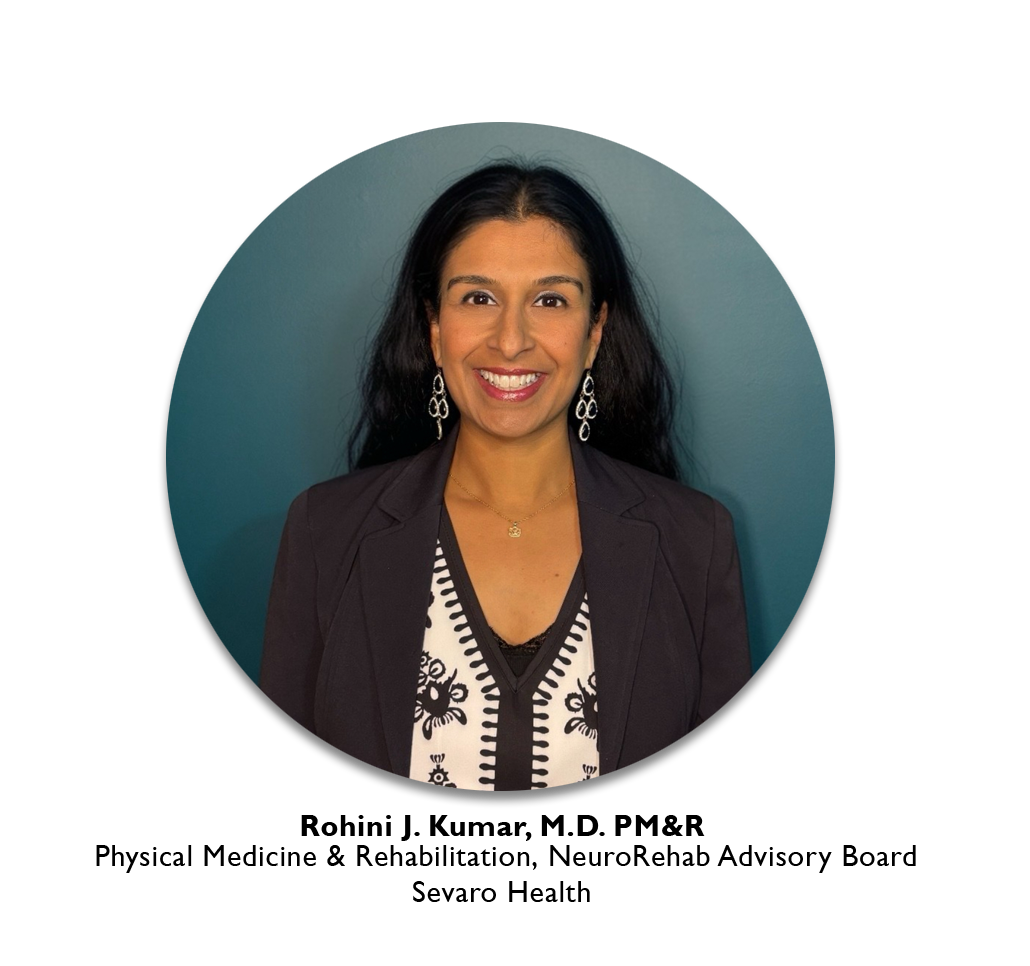
By Rohini J. Kumar, M.D. PM&R 

Physical Medicine & RehabilitationNeuro-Rehab Advisory Board

Sevaro Health

Outpatient in front of virtual clinic entrance

Key Points Summary


  • Hospital discharge is the beginning of recovery, not the end. 
  • Recent U.S. studies show mild to moderate ischemic stroke patients have a 30-day readmission rate of about 10–12%, and structured outpatient rehab with early follow-up can reduce this risk by up to 30%. 1, 2, 3 
  • Neurology patients face higher risks if outpatient rehab is delayed or fragmented.³
  • Average hospital cost for a stroke-related readmission is $15,000–$20,000 per case, depending on stroke type and comorbidities.4
  • Sevaro’s Neuro-Rehab program is delivered through virtual outpatient clinics and coordinated systems of care – distinct from home health services – connecting patients to specialty teams after discharge.

Seamless Recovery Starts Here

For patients who are recovering from neurological events, hospital discharge is not the finish line, but it’s the start of a critical phase of recovery. Too often, patients experience gaps in care once they leave the hospital, leading to stalled progress or unnecessary readmissions. Recent U.S. studies show that with structured and coordinated rehabilitation, mild to moderate stroke patients can reduce the risk of readmission by up to 30%; underscoring the urgency of care continuity.  

At Sevaro, we believe the solution lies in outpatient neuro-rehabilitation that is coordinated, accessible, and continuous through a hybrid model of care using the Synapse AI platform and Sevaro stroke specialists. By strengthening outpatient pathways, we close the loop on neurological care and ensure patients remain supported throughout their journey. 

The Challenge of Continuity in Neurological Care

Hospital discharge can feel abrupt. Patients move from a highly structured environment to outpatient care that is often fragmented. Readmissions not only disrupt recovery but also contribute to escalating healthcare costs. The American Hospital Association’s 2024 Costs of Caring report highlights the financial strain of workforce shortages on hospitals nationwide and contract labor totaling over $51B in 2023.5 For stroke survivors and others with neurological conditions, the risk is even higher if outpatient rehab is delayed or inconsistent.

Frequent causes for readmission 30-days post discharge for ischemic strokes 

  • Recurrent ischemic stroke or TIA 
  • Infection 
  • Cardiovascular events 
  • Falls and injuries 
  • Medication mismanagement 
  • Loss to follow-up or delayed outpatient care 

These are precisely the gaps that Sevaro’s outpatient Neuro-Rehab program is designed to address.

The reality is clear: patients need structured outpatient rehabilitation, but access and workforce support is insufficient. This is even more prevalent in rural communities and smaller health systems which often lack specialized neurology and rehabilitation resources, leaving patients vulnerable to gaps in recovery and higher readmission rates compared to urban communities.6 In fact, the most recent U.S. Census data show that 14.7% of rural residents report having a disability, compared to 12.6% of urban residentsa disparity linked to limited access to healthcare services, fewer specialized providers, and greater geographic isolation.7

Outpatient in virtual clinic visit

Virtual Outpatient Clinics: Closing the Loop

At Sevaro, our virtual outpatient clinics are designed to ensure patients don’t fall through the cracks once they leave the hospital. We focus on outpatient continuity, connecting patients to neurologists, rehab specialists and health coaches through coordinated systems of care reducing the time to see a specialist, which helps reduce readmission rates. 

  • Seamless Transitions: Patients are guided from hospital to home and work with care navigators post discharge ensuring smooth handoffs. 
  • Accessible Expertise: Outpatient clinics and partner facilities provide patients with consistent access to neurology specialists, regardless of geography. 
  • Patient & Caregiver Empowerment: Education, support groups, and lifestyle coaching help families take an active role in recovery. 
  • Technology-Enabled Coordination: The Sevaro Synapse AI platform connects outpatient providers; tracks progress and ensures care teams remain aligned. 
  • Collaborative Care: Neurologists, rehab physicians, care coordinators and health coaches work together to deliver a holistic outpatient program. Each patient is evaluated for their functional and cognitive deficits so that a customized therapy regimen meets the patient’s needs throughout their recovery journey. 

“Patient care extends beyond the acute phase for Sevaro. Our holistic approach is to address the softer side of medicine and focus on the patient and their caregiver's wellbeing. As providers, we know that a life-changing event has repercussions beyond what the eye can see. We want to provide emotional support, guide lifestyle behavior management and treat the silent deficits of our patients.”

Outcomes That Matter

Outpatient programs emphasizing continuity and early follow-up can reduce 30-day readmission risk by 20–30%, with overall readmission rates for mild to moderate cases estimated at 10–12%, significantly lower than severe strokes 1, 2, 3. By closing the loop through coordinated outpatient Neuro-Rehab, Sevaro helps ensure recovery continues seamlessly by helping to lower rehospitalization costs and improve the quality of life for patients.

$15 - $20K

7 - 14

Average stroke related

readmission cost per case4

Days post discharge patient

is seen in virtual clinic8

$15 - $20K

Average stroke related

readmission cost per case4

7 - 14

Days post discharge patient

is seen in virtual clinic8

Conclusion

Closing the gap in neurological care requires a commitment to outpatient follow-ups. At Sevaro, we are redefining Neuro-Rehab by focusing on coordinated outpatient pathways that keep patients connected to their care teams.  Coordinated care with a focus on patient empowerment and health coaching can help patients maintain their functional gains by staying engaged in the recovery journey.  

Recovery doesn’t end at hospital discharge; it begins there. By ensuring continuity through outpatient rehabilitation, we deliver on our promise to truly close the loop on neurological care. For hospitals seeking to reduce readmissions, extend specialty capacity, and support recovery beyond discharge, outpatient Neuro-Rehab must be treated as core infrastructure and not an afterthought. 

Dr. Rohini Sevaro Health

Rohini Kumar, M.D. PM&R

Dr. Rohini Kumar is a Board-Certified Physiatrist who graduated medical school from Thomas Jefferson University & completed her residency training at Temple University Hospital/Moss Rehab in Philadelphia PA.  She has received Medical Leadership training from the American Academy of Physician Leaders & Emory’s Women in Leadership program. Dr. Kumar is certified in Lifestyle Medicine & Wellness Coaching from Harvard and incorporates a holistic therapeutic approach to preventative care. 

Dr. Kumar comes to Sevaro with more than 10 years of experience caring for stroke patients. She serves as an Advisory Board Member for Neuro-Rehabilitation at Sevaro. She is focused on bringing novel cognitive therapies to patients via a virtual platform and coordination of care for chronic disease management. 

Dr. Kumar brings years of expertise and passion aimed at improving the recovery journey for patients with neurologic sequela and is excited to increase the outpatient services for Sevaro’s patients. 

Frequently Asked Questions

Q: What does “closing the loop” mean in neurological care? 
A: It means ensuring patients receive continuous support after hospital discharge, with no gaps from hospital to home.


Q: How is Sevaro’s Neuro-Rehab program different from traditional rehab? 

A: Sevaro emphasizes outpatient continuity, using care navigators, health coaches, and technology-enabled coordination to keep patients connected to their neurology team in a virtual setting. 


Q: Does this program involve home-based care? 

A: No. Sevaro’s Neuro-Rehab program is focused on connecting patients to virtual stroke specialists in outpatient clinics and coordinated systems of care, not in-home services. 


Q: Who benefits most from outpatient Neuro-Rehab? 

A: Patients recovering from neurological events such as mild to moderate stroke conditions benefit from structured virtual outpatient rehab that reduces readmissions and improves recovery outcomes. 


Q: How does Sevaro measure success in outpatient Neuro-Rehab? 

A: We track outcomes such as reduced hospital readmissions, improved functional recovery scores, and patient satisfaction to ensure accountability and continuous improvement. 

  1. https://www.cdc.gov/pcd/issues/2024/24_0138.htm
  2. https://www.frontiersin.org/journals/neurology/articles/10.3389/fneur.2025.1683753/full
  3. https://journals.plos.org/plosone/article?id=10.1371/journal.pone.0289640
  4. https://hcup-us.ahrq.gov/nrdoverview.jsp
  5. https://www.aha.org/guidesreports/2025-04-28-2024-costs-caring
  6. https://esmed.org/MRA/mra/article/view/5699
  7. https://www.census.gov/library/stories/2023/06/disability-rates-higher-in-rural-areas-than-urban-areas.html
  8. Internal Sevaro Data

Driving Operational Excellence Through Teleneurology

Impact of a .48 Day Average Length of Stay Reduction Per Patient

Impact of a .48 Day Average Length of Stay Reduction Per Patient

Stroke Survivor Inpatient Hospital Stay

In 2025, a leading hospital in the Southwestern U.S. reduced average length of stay (LOS) by 0.48 days per patient—from 5.268 days to 4.788 days—a 9% improvement. That half-day reduction is especially meaningful given that many health systems view even a 2–3% LOS improvement as significant. The impact was enabled by the strategic implementation of Sevaro Health’s teleneurology services, which accelerated neurological evaluations, streamlined care coordination, and optimized resource utilization, helping patients move safely through the care pathway faster.

Market Challenges

Hospitals across the U.S. continue to face mounting pressures to optimize operational efficiency while maintaining high standards of care. Rising patient volumes, staffing shortages, and limited physical capacity have made it increasingly difficult to balance throughput with quality outcomes. LOS is a critical metric in this equation and every additional day a patient remains in the hospital strains resources, increases costs, and limits access for new admissions. Even small improvements in LOS can have a significant impact on financial performance and patient satisfaction.

The Problem

In early 2025, the hospital was experiencing LOS averages above 5.2 days, creating bottlenecks in patient flow and driving up operational costs. Extended stays were often linked to delays in specialty consultations, particularly neurology, where timely evaluations are essential for conditions like stroke and acute neurologic changes. These delays not only prolonged hospitalization but also impacted care coordination and discharge planning, reducing overall efficiency. 

The Solution: Partnership with Sevaro

To address these challenges, the hospital partnered with Sevaro Health to implement teleneurology services in April 2025. Working with Sevaro, the hospital gained immediate access to board-certified neurologists enabling: 

  • Rapid stroke evaluations and accelerated treatment pathways. 
  • Improved multidisciplinary coordination, reducing delays in care transitions. 
  • Streamlined discharge planning, supported by faster diagnostic clarity. 

By embedding Sevaro’s Synpase AI platform into existing workflows, the hospital eliminated common bottlenecks associated with in-person consultations, and optimized resource allocation. 

Stroke Survivor in wheel chair

The Results

The impact was substantial. By October 2025, the hospital achieved a 9% reduction in average LOS, dropping from 5.268 days to 4.788 days compared to the prior year. In hospital operations, a 2–3% improvement is considered meaningful, making this nearly 9% decrease a remarkable achievement. 

Key outcomes: 

  • Enhanced throughput and capacity, allowing more patients to be treated without expanding physical space. 
  • Reduced bed pressures, improving flexibility for admissions and transfers. 
  • Optimized staffing and ancillary services, lowering operational strain. 
  • Improved patient experience, with faster care transitions and reduced wait times. 

Estimated 1,000+ beds freed annually

Up to $3.6M variable cost savings

$1M+ contribution margin impact

Projected impact—1,000+ bed days freed, $1.7M–$3.6M in variable cost savings, and $760K–$1.14M contribution margin—is based on modeled assumptions of 2,000 – 3,000 admissions annually multiplied by .48 LOS reduction and may vary by hospital depending on case mix and operational factors.

Estimated 1,000+ beds freed annually

Up to $3.6M variable cost savings

$1M+ contribution margin impact

Projected impact—1,000+ bed days freed, $1.7M–$3.6M in variable cost savings, and $760K–$1.14M contribution margin—is based on modeled assumptions of 2,000 – 3,000 admissions annually multiplied by .48 LOS reduction and may vary by hospital depending on case mix and operational factors.

Conclusion

This case study illustrates how targeted clinical and operational innovations such as Sevaro Health’s teleneurology services can deliver measurable, organization wide impact. By addressing a critical bottleneck in neurological care, the hospital not only improved LOS but also strengthened its ability to provide timely, high-quality care in a resource-constrained environment. 

Ready to be the next hospital to revolutionize neurological care?  

Senior Technical Project Manager

Full Time

Job Details

Position Title

Senior Technical Project Manager

Reports To

Head of Technology and Innovation

Location

100% Remote

Employement Type

Full-Time

ABOUT SEVARO

Sevaro is a leading teleneurology and neurohospitalist care provider, working with hospitals across the nation to deliver rapid, expert neurological care through cutting-edge virtual solutions. Our mission is simple: provide faster, smarter, patient-centered stroke and neurology care anytime, anywhere.

We combine medical expertise with innovative technology to empower clinicians, reduce door-to-needle times, streamline neurological workflows, and improve patient outcomes. As Sevaro continues to scale, our digital products play a critical role in supporting clinicians, hospitals, and patients.

POSITION OVERVIEW

Sevaro is seeking a Senior Technical Project Manager to lead customer-facing technical implementations, deliver post-contract customer demos and training, and support internal product initiatives and vendor integrations. This role partners closely with Product, Engineering, Clinical Operations, and Business Development to ensure high-quality delivery of technical solutions for customer implementations. The ideal candidate excels at communication, cross-functional leadership, managing complex technical workflows in fast-paced environments, and can produce deliverables with minimal direction and instruction.

KEY RESPONSIBILITIES:

  • Lead customer-facing technical implementations from kickoff through deployment and validation.
  • Deliver post-contract customer demos, training sessions, and platform onboarding across Sevaro’s technology portfolio.
  • Provide backup support product-facing internal projects and vendor integrations when additional technical project management bandwidth is required.
  • Provide backup support for pre-contract technical demos during customer evaluation cycles.
  • Partner with Sevaro’s existing Senior TPM to drive PMO development, including process standardization and governance frameworks.
  • Build and maintain detailed project plans, timelines, RAID logs, communication plans, and status reporting.
  • Coordinate technical requirements, workflow mapping, and integration activities with cross-functional teams.
  • Drive issue escalation, risk management, and structured stakeholder communication throughout the project lifecycle.

QUALIFICATIONS

  • 5+ years project management experience, including technical delivery in SaaS, health tech, or related environments.
  • Demonstrated ability to manage multiple simultaneous projects with minimal supervision.
  • Proven ability to independently create project plans, schedules, and structured communications.
  • Strong understanding of software implementation processes, system integrations, and workflow design.
  • Excellent communication skills and prior experience leading customer-facing implementations or training.
  • Excellent organizational, analytical, and stakeholder-management skills.
  • High proficiency with Asana, Monday.com, or other project planning software (project setup, task structures, workflows).
  • Experience creating workflow diagrams in Lucidchart, Figma, Miro, or other similar canvas software.
  • Experience building and administering SharePoint websites and knowledge repositories.

PREFERRED QUALIFICATIONS

• Experience working with Product teams in Agile or hybrid environments.
• Familiarity with healthcare data, interoperability, or vendor ecosystems (if applicable to Sevaro).
• Background contributing to PMO launch or scaling initiatives.
• PMP certification in good standing.

SUCCESS METRICS

• On-time delivery of customer implementations with measurable value outcomes.
• Clear, repeatable processes established across the project lifecycle.
• Increased cross-team alignment through standardized PMO practices.
• High-quality documentation, risk management, and communication cadence.

WHY JOIN SEVARO

• Mission-driven work that impacts patient outcomes and saves lives
• Collaborative team with neurologists, engineers, and product leaders
• Remote-friendly culture with flexibility
• Competitive pay + health/vision/dental benefits
• Opportunity to shape the future of teleneurology technology
• A culture rooted in compassion, innovation, and clinical excellence

BENEFITS

We offer a competitive and comprehensive total rewards package, including:

  • Competitive base salary and bonus structure
  • Equity participation for long-term value creation
  • Medical, dental, and vision insurance
  • 401(k) plan with company contribution
  • Generous PTO and paid company holidays
  • Continuing education and professional development support
  • Flexible remote-first work environment
  • Opportunity for rapid career growth as the organization scales

To Apply:

Please send your resume to our recruitment team, along with the role you are applying for listed in the subject line, to: recruitment@sevaro.com.

EQUAL OPPORTUNITY EMPLOYER

Sevaro Health is proud to be an Equal Employment Opportunity employer. We are committed to fostering an inclusive, diverse, and equitable workplace. All qualified applicants will receive consideration for employment without regard to race, religion, color, national origin, gender, sexual orientation, gender identity or expression, age, disability, veteran status, or any other protected characteristic. We celebrate diversity and are dedicated to creating an environment where all team members can thrive.

Manager/Director of Strategic Business Intelligence

Full Time

Job Details

Position Title

Manager/Director of Strategic Business Intelligence

Location

100% Remote with periodic travel

Employement Type

Full-Time

ABOUT SEVARO

Sevaro is a leading teleneurology and neurohospitalist care provider, working with hospitals across the nation to deliver rapid, expert neurological care through cutting-edge virtual solutions. Our mission is simple: provide faster, smarter, patient-centered stroke and neurology care anytime, anywhere.

We combine medical expertise with innovative technology to empower clinicians, reduce door-to-needle times, streamline neurological workflows, and improve patient outcomes. As Sevaro continues to scale, our digital products play a critical role in supporting clinicians, hospitals, and patients.

POSITION OVERVIEW

The Manager/Director of Strategic Business Intelligence is a cornerstone role that powers Sevaro’s Client Success and Growth organizations with actionable insights and strategic visibility. This role
blends healthcare market expertise, neurology insights, and data analytics to ensure Sevaro
stays ahead of market trends and deeply understands the needs of every partner.

KEY RESPONSIBILITIES:

Client & Market Insights
• Develop account briefs, strategic insight decks, and pre-QBR intelligence packets for Client
Success teams.
• Tracks healthcare policy shifts, reimbursement changes, and market dynamics.
• Identify opportunities and gaps to ensure program success with Sevaro


Data Analytics & Research
• Analyze utilization data to identify growth opportunities, under-leveraged services, and churn
risks.
• Support dashboards and forecasting models for Client Success and Growth strategy.
• Lead competitive intelligence and benchmarking initiatives.


Cross-Functional Partnership
• Work closely with Research, Finance, Marketing, Quality, and Client Success teams to align
insights with strategy.

QUALIFICATIONS

  • Bachelor’s degree required; Master’s preferred.
  • 3–7 years in healthcare strategy or market intelligence.
  • Telemedicine or neurology background strongly preferred.
  • Strong analytics and competitive research skills.
  • Excellent executive-level communication skills.

SUCCESS METRICS

• Quality and relevance of insights delivered.
• Increased service utilization and expansion outcomes.
• Improved renewal and upsell success rates.
• Reduction in churn risk from early detection.
• Timely delivery of research and intelligence.

WHY JOIN SEVARO

• Mission-driven work that impacts patient outcomes and saves lives
• Collaborative team with neurologists, engineers, and product leaders
• Remote-friendly culture with flexibility
• Competitive pay + health/vision/dental benefits
• Opportunity to shape the future of teleneurology technology
• A culture rooted in compassion, innovation, and clinical excellence

BENEFITS

We offer a competitive and comprehensive total rewards package, including:

  • Competitive base salary and bonus structure
  • Equity participation for long-term value creation
  • Medical, dental, and vision insurance
  • 401(k) plan with company contribution
  • Generous PTO and paid company holidays
  • Continuing education and professional development support
  • Flexible remote-first work environment
  • Opportunity for rapid career growth as the organization scales

To Apply:

Please send your resume to our recruitment team, along with the role you are applying for listed in the subject line, to: recruitment@sevaro.com

EQUAL OPPORTUNITY EMPLOYER

Sevaro Health is proud to be an Equal Employment Opportunity employer. We are committed to fostering an inclusive, diverse, and equitable workplace. All qualified applicants will receive consideration for employment without regard to race, religion, color, national origin, gender, sexual orientation, gender identity or expression, age, disability, veteran status, or any other protected characteristic. We celebrate diversity and are dedicated to creating an environment where all team members can thrive.

Empowering the ED Team: The Stroke Coordinator’s Transformational Role in Emergency Stroke Care

By Melanie Winningham, M.D., Vice President of Clinical Strategy & Partnerships, Sevaro Health 

Key Points Summary

  • Stroke coordinators ensure emergency stroke care runs smoothly by managing workflows, confirming resource readiness, and facilitating communication across departments.

  • By fostering continuous learning, multidisciplinary collaboration, and public recognition of improvements, stroke coordinators help build a resilient, high-performing stroke team.
  • Stroke coordinators champion tools like telemedicine, AI-powered imaging, and EHR-integrated clinical pathways to enhance decision-making and support the ED team.

  • Providing clear decision trees, checklists, and guidelines, stroke coordinators can help reduce uncertainty and allow ED teams to focus on timely, accurate patient care.

  • Stroke coordinators strengthen ED team confidence through hands-on training, judgment-free case reviews, and real-time support during acute stroke cases.

A Clinical Scenario

The paramedic report was concise: possible stroke, subtle right-sided symptoms, uncertain timing. The ED team moved efficiently – NIHSS underway, IV access placed, imaging ordered. It was a familiar scenario, but one that required tight adherence to timelines and coordination across multiple departments.

The stroke coordinator stepped in – not to direct the clinical exam, but to keep the system around the exam running smoothly. She confirmed CT readiness, pulled the last known well from EMS documentation, and cross-checked for any prior imaging that radiology might need.

“I’ve confirmed CT is clear and labs are tracking the STAT draw,” she updated the charge nurse. “Neurology is looped in. These borderline-onset cases tend to get delayed, so I’ll keep things moving so we stay on target.”

The charge nurse nodded. “Perfect. Thank you for the backup.”

The stroke coordinator pulled up the recent stroke workflow update, making sure the team had everything they needed to apply the new process changes reviewed in last week’s education session. She made a quick note to follow up with EMS later – another example of onset-time uncertainty that could be improved through community outreach and training.

Minutes later, the patient was moving to CT without delay. Handoffs were clean, communication was aligned, and every team member knew their next step.

As the stroke attending walked toward radiology, he said, “Your oversight keeps everything moving in the right direction.”

The coordinator responded simply, “Our team is solid. I just help the system run the way it’s supposed to.”

Nothing dramatic – just coordinated processes, supported teams, and quiet reinforcement of workflows that help good clinicians work even faster and more confidently.

Where Skill Meets Support

Emergency department teams are the first line of defense for stroke patients, navigating split-second decisions under intense time pressure. Even experienced ED care teams encounter the inherent complexity of early stroke assessments – and research shows this complexity reflects the nature of stroke itself, not the abilities of the ED clinicians caring for these patients.

Many ED care teams naturally desire greater confidence in neurological evaluations. The stakes are high, and early decisions shape outcomes. Strengthening confidence is not merely an educational initiative; it is an opportunity to uplift the ED team, streamline care, and reduce unnecessary transfers while preserving patient safety.

This is where stroke coordinators make their most meaningful impact.

Positioned uniquely at the intersection of Emergency Medicine, Neurology, and quality improvement, stroke coordinators understand the pace of the ED, the nuance of stroke protocols, and the importance of real-time support. They see patterns across myriad cases, and they understand exactly what ED teams need to feel supported – clear pathways, practical guidance, and a reliable connection to expert input.

By offering this combination of structure and support, stroke coordinators transform uncertainty into assurance. And that assurance becomes the foundation of stronger, faster, and more confident stroke care – delivered by ED teams who trust their skills and know they are not working alone.

As a Stroke Coordinator, my work lives in the moments most people never see – the education that prevents a stroke, the workflow that saves a minute, the conversation that changes a culture.

At its core, this role is about connection: being the traffic controller who guides every moving part in the right direction, and the glue that holds teams, processes, and purpose together. Those quiet efforts become faster responses, stronger systems, and the difference that gives patients their best possible chance forward. And knowing that is what fills this role with purpose every single day.

Nina A. Cruz, MSN, APRN, FNP-BC, SCRN
BHM Stroke Program Coordinator
Miami Neuroscience Institute, Baptist Health South Florida

How Stroke Coordinators Bridge Emergency Medicine and Stroke Care

Stroke coordinators occupy a unique role within the hospital ecosystem. They work shoulder-to-shoulder with ED teams, understand stroke protocols intimately, and maintain direct relationships with neurologists and neurointerventionalists. This positioning allows them to streamline communication, reinforce protocols, and help the ED team maintain pace during complex presentations.

Confidence in stroke care rarely comes from theoretical knowledge alone. It grows through hands-on experience, accessible protocols, and reliable support – and stroke coordinators bring all three. Their cumulative exposure to different types of stroke cases naturally builds pattern recognition and clinical intuition, which they can share with ED care teams through real-time collaboration.

Training Strategies to Build ED Team Confidence

Case Reviews That Encourage Learning, Not Judgment

Monthly, judgment-free case reviews allow ED teams to reflect and grow. Highlighting both positive outcomes and challenging cases reinforces the reality that outcomes don’t always mirror decision quality – and that learning is the goal.


Stroke Recognition Training

Early recognition of subtle or atypical symptoms builds confidence. Reviewing stroke mimics, small-vessel presentations, posterior circulation signs, and LVO screening tools equips ED teams to make rapid, informed decisions.


Mock Codes and Realistic Scenarios

Simulated stroke alerts for wake-up strokes, complex comorbidities, and anticoagulated patients offer ED care teams a safe environment to practice high-pressure decision making.

Hands-on learning empowers ED teams to approach acute stroke care with clarity and assurance.


Clear Stroke Protocols Remove Uncertainty

ED teams thrive when guidance is clear and accessible.

  • Decision trees for thrombolysis, emergent EVT, and transfers
  • Checklists outlining timing goals, assessments, and communication points
  • Guidelines specifying when and how to involve neurologists

These tools reduce cognitive burden and allow ED teams to focus on what matters most: timely, accurate patient care.


Real-Time Support: Confidence at the Bedside

Some of the most meaningful confidence-building occurs during active stroke cases.

Stroke coordinators support the ED team by:

  • Participating in bedside neurological assessments
  • Facilitating rapid neurologist access through direct lines or telemedicine
  • Offering balanced, constructive debriefs that highlight strengths first

When ED teams feel supported in the moment, their confidence deepens case by case.


Technology That Enhances ED Decision-Making

Stroke coordinators champion the adoption and training of tools such as:

  • Telemedicine for instant neurologist support
  • AI-powered imaging tools that enhance awareness and communication
  • EHR-integrated stroke pathways that guide workflow in real time

These tools do not replace ED judgment – they reinforce it, offering reassurance during complex cases.


Building a Culture of Continuous Learning

Confidence develops over time in environments that value growth.

Stroke coordinators nurture this environment with:

  • Multidisciplinary rounds
  • Continuing education opportunities
  • Peer mentorship among ED care team members
  • Recognition of improvements and supportive responses to challenges

This approach strengthens not only the individuals, but the entire ED team.


Measuring the Impact of Confidence-Building Efforts

Meaningful metrics include:

  • Thrombolytic and EVT treatment times
  • Thrombolytic utilization rates
  • Transfer rates
  • Patient outcomes and follow-up reviews

Sharing improvements publicly reinforces pride and confidence within the ED team.

Conclusion: The Stroke Coordinator’s Transformational Role in Emergency Stroke Care

Stroke coordinators strengthen far more than protocols – they strengthen relationships, systems, and the connections that allow high-performing ED teams to deliver exceptional care.

By enforcing workflows, interpreting data, fostering education, and bridging communication within the hospital and across the community, they create an environment where skilled clinicians can act with clarity and confidence.

When the processes run smoothly, the ED team is free to focus on what matters most: rapid recognition, decisive action, and the patient in front of them.

The impact is measurable, but it is also deeply human – every streamlined handoff, every aligned decision, every saved minute becomes part of the collective effort to give stroke patients their best possible chance. In this way, stroke coordinators do more than support the ED team – they elevate the entire system of care.

Melanie Winningham, MD:

As physician leader at Sevaro Health, Dr. Melanie Winningham has had the privilege of shaping how neurological care is delivered at scale. Her work blends clinical insight with strategic leadership, focused on building partnerships that expand access, support physicians, and improve outcomes for patients when every second counts.

Dr. Winningham is passionate about creating systems that serve both patients and providers – leveraging virtual care, AI-powered tools, and innovative workflows to reduce burnout and make care more human. She believes the best solutions are built in collaboration with the people who use them and is proud to lead alongside a team that’s reimagining what’s possible in virtual neurology.

Paralegal – Part Time

Full Time

Job Details

Position Title

Paralegal – Part-Time 

Reports To

COO

Location

100% Remote

Employement Type

Full-Time

ABOUT SEVARO

Sevaro Health is a rapidly growing teleneurology company transforming how neurological care is delivered through innovative technology, clinical expertise, and a provider-first culture. We partner with hospitals and health systems nationwide to deliver 24/7 acute neurology coverage—and are now expanding into outpatient neurology to create a seamless continuum of care from hospital to home.

POSITION OVERVIEW

Sevaro is seeking a motivated and detail-oriented Part-Time Paralegal to support day-to-day legal and compliance operations. You will assist with document preparation, contract review, regulatory research, and compliance tracking in a fast-moving, high-growth environment. Success in this role looks like airtight documentation, on-time deliverables, crisp communication, and impeccable confidentiality.

KEY RESPONSIBILITIES:

  • Draft, review, and format legal documents, agreements, and correspondence.
  • Maintain organized records of contracts, filings, and compliance materials.
  • Conduct legal and regulatory research under the supervision of counsel.
  • Assist with contract lifecycle activities (renewals, amendments, signatures).
  • Support corporate governance tasks and compliance reporting.
  • Coordinate with internal teams and external counsel/partners.
  • Uphold secure handling of confidential information and company data.

QUALIFICATIONS

  • Bachelor’s degree or certification in Law/Legal Studies or related field (LL.B preferred).
  • 1–3 years of experience as a paralegal, legal assistant, or compliance associate.
  • Working knowledge of contract law and corporate procedures.
  • Excellent written and verbal communication skills.
  • Proficiency with Microsoft Office, Adobe Acrobat, and document management tools (e-signature, redlining, version control).
  • High attention to detail; able to prioritize and work independently in a dynamic setting.

WHY JOIN SEVARO

  • Help shape a first-of-its-kind outpatient neurology model that improves access and outcomes nationwide.
  • Join a mission-driven, provider-first organization that empowers clinicians with cutting-edge technology.
  • Collaborate with passionate clinical, operational, and technology leaders driving meaningful innovation.
  • Play a critical role in bridging inpatient and outpatient neurology to create a seamless continuum of care.
  • Grow with a rapidly scaling, Series B-backed healthcare technology company.

BENEFITS

We offer a competitive and comprehensive total rewards package, including:

    • Competitive base salary and bonus structure
    • Equity participation for long-term value creation
    • Medical, dental, and vision insurance
    • 401(k) plan with company contribution
    • Generous PTO and paid company holidays
    • Continuing education and professional development support
    • Flexible remote-first work environment
    • Opportunity for rapid career growth as the organization scales

To Apply:

Please send your resume to our recruitment team, along with the role you are applying for listed in the subject line, to: recruitment@sevaro.com.

EQUAL OPPORTUNITY EMPLOYER

Sevaro Health is proud to be an Equal Employment Opportunity employer. We are committed to fostering an inclusive, diverse, and equitable workplace. All qualified applicants will receive consideration for employment without regard to race, religion, color, national origin, gender, sexual orientation, gender identity or expression, age, disability, veteran status, or any other protected characteristic. We celebrate diversity and are dedicated to creating an environment where all team members can thrive.

Sevaro Health Named to the 2025 CB Insights’ List of the 50 Most Promising Digital Health Startups 

October 28, 2025
Sevaro in the news thumbnail

NEW YORK, October 28, 2025CB Insights named Sevaro Health to its seventh annual Digital Health 50, showcasing the 50 most promising private digital health companies in the world. 

“The 2025 Digital Health 50 winners are high-momentum companies poised to define the next era of healthcare,” said Ellen Knapp, Principal Analyst at CB Insights. “This year’s cohort is advancing the shift from reactive to proactive care, developing AI solutions tailored to healthcare’s unique regulatory environment, and addressing critical sector-wide challenges from care access to provider burnout and workforce shortages.” 

Powered by Synapse AI, Sevaro has built a system that integrates virtual neurologists directly with hospital teams to streamline workflows, reduce documentation fatigue, and deliver real-time insights that improve patient outcomes. Sevaro’s industry-leading 45-second response times ensures stroke patients receive expert care when every second counts.  

“Being named to the CB Insights Digital Health 50 is a tremendous honor and a testament to the relentless work our team has put in over the past 6 years” said Rajiv Narula, M.D., CEO and Founder of Sevaro. “At Sevaro, we’ve been redefining teleneurology by fusing cutting-edge technology with seamless clinical collaboration. As a physician-led organization, we’re proud to combine clinical expertise with innovation to help hospitals elevate neurological care, optimize operations, and ultimately save lives.” 

The CB Insights list primarily includes early and mid-stage startups driving innovation across digital health including: Nabla, Ambience, Hippocratic AI, Neko and RadAI. The organization picked winning companies based on CB Insights datasets, including deal activity, industry partnerships, team strength, investor strength, employee headcount, and proprietary Commercial Maturity and Mosaic scores, where Sevaro is in the top 1%. CB Insights also dug into Analyst Briefings submitted directly by startups. 

Quick facts on the 2025 Digital Health 50: 

  • The 50 winners span categories such as care delivery, revenue cycle management, drug discovery & development, and diagnostics. 
  • This year’s cohort is deploying AI across a wide variety of use cases, with notable adoption of agentic AI, voice AI, and automated provider workflows. 
  • Collectively raised $2B in equity funding in 2025 YTD (as of 10/14/2025). 
  • 52% are early-stage companies (seed/angel or Series A funding). 
  • Established 140+ business relationships since 2024 with industry leaders including Cleveland Clinic, IBM, and Novartis. 

About CB Insights 

CB Insights is the leader in predictive intelligence on private companies. It delivers instant insights that help you source and analyze private companies, focus on the right markets, and stay ahead of competitors. Our AI agents are powerful because they translate signals into the exact outputs your teams need to move first — defensible, sourced, and board-ready. To learn more, please visit www.cbinsights.com.  

About Sevaro 

Sevaro Health is a physician-led virtual neurology company delivering comprehensive care across the neurological journey. Through its Synapse AI platform, Sevaro partners with hospitals nationwide to expand access to neuroscience services, improve outcomes, and support long-term financial sustainability. 

Rooted in the Sanskrit word Seva, meaning selfless service, Sevaro is committed to being the best place for neurologists to work and the most reliable partner for hospitals building the future of specialty care.  

Press Contact: 

John Ricks 
Senior Marketing Manager, 
Sevaro Health 
John@Sevaro.com 

Skip to content